City map
Grid and edge
Blocks and borders keep the page organized from the first glance.
City blocks, shorelines, wheel marks, and cloud bands all fit the same shelf when the shape is clear.
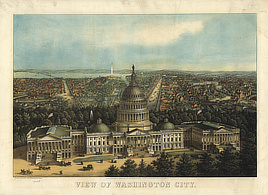
Labels, coastlines, and blocks turn the image into something easy to scan and compare beside the other records.
Blocks and borders keep the page organized from the first glance.
A fixed light gives the room a marker that is easy to spot and easy to trust.
The moving frame gives the ground a slow, readable turn.
Each card below carries a different scale, edge, or light pattern.
Street blocks and labels make the page feel precise and orderly.
Read source record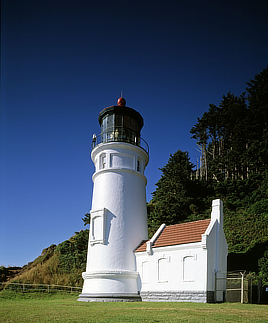
A fixed beam gives the eye a clear marker against the water and sky.
Read source record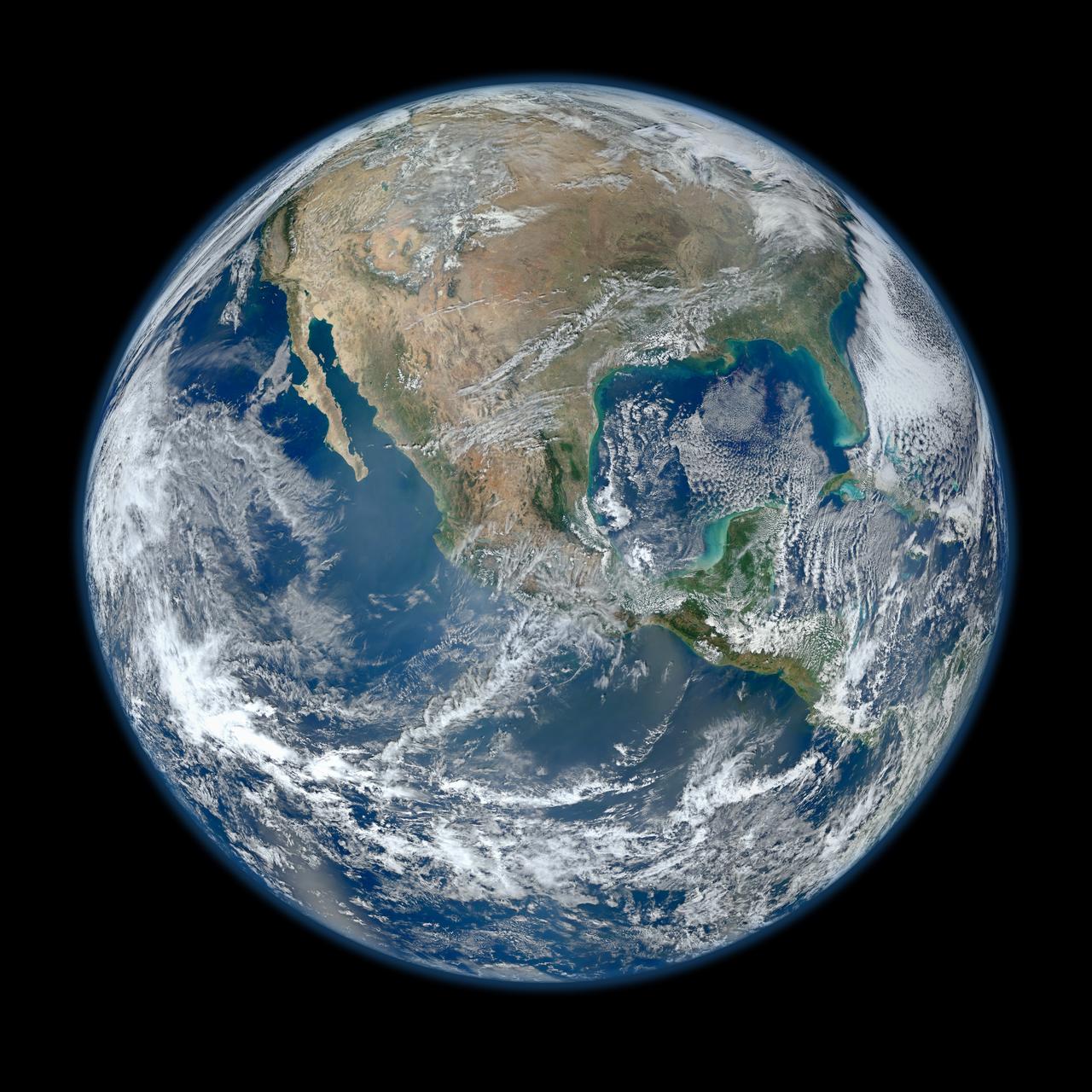
Cloud bands and ocean color widen the scale to a full globe.
Read source record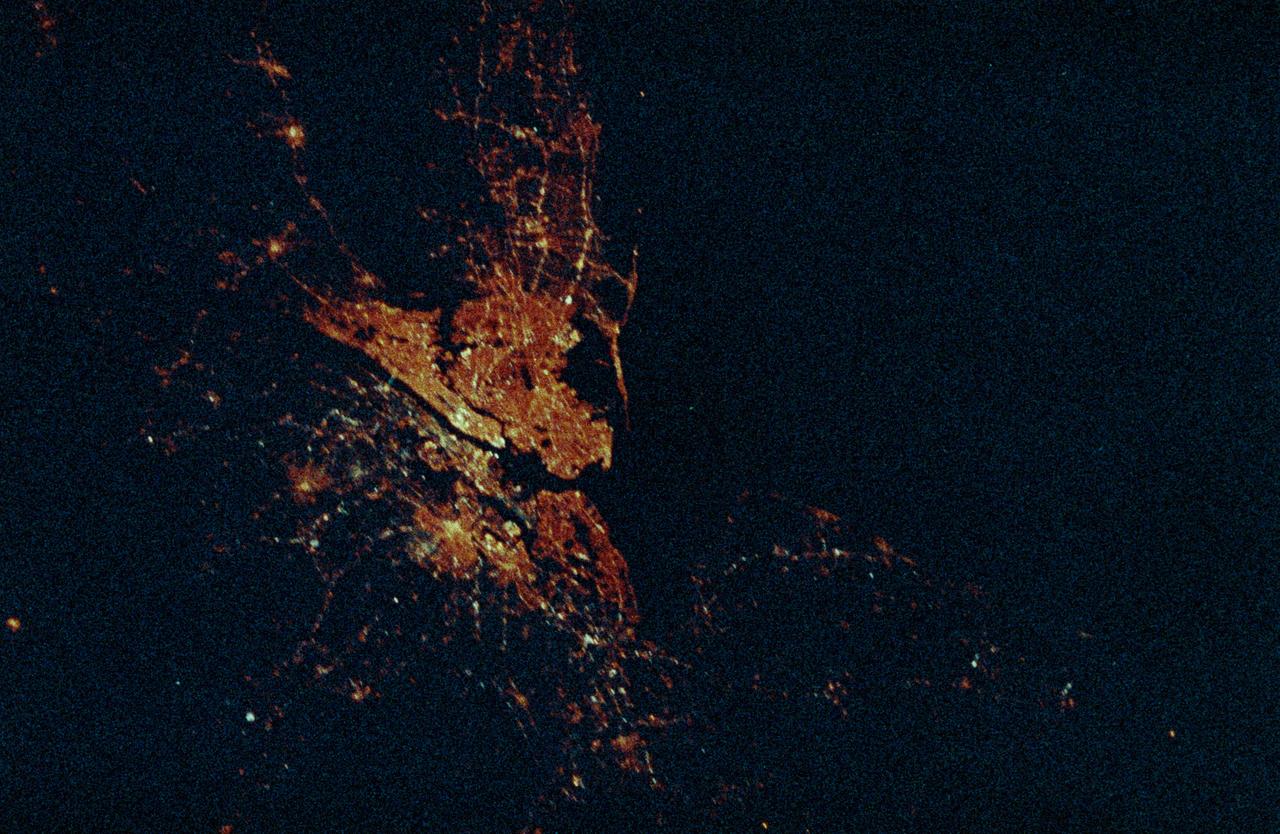
City lights turn streets and districts into a bright field of density.
Read image index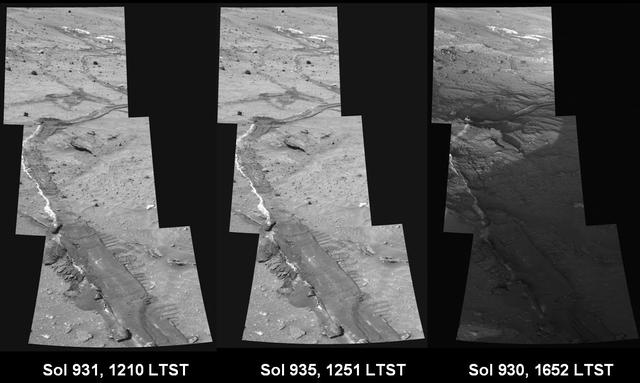
Tracks and shadows give the ground a measured, legible surface.
Read source record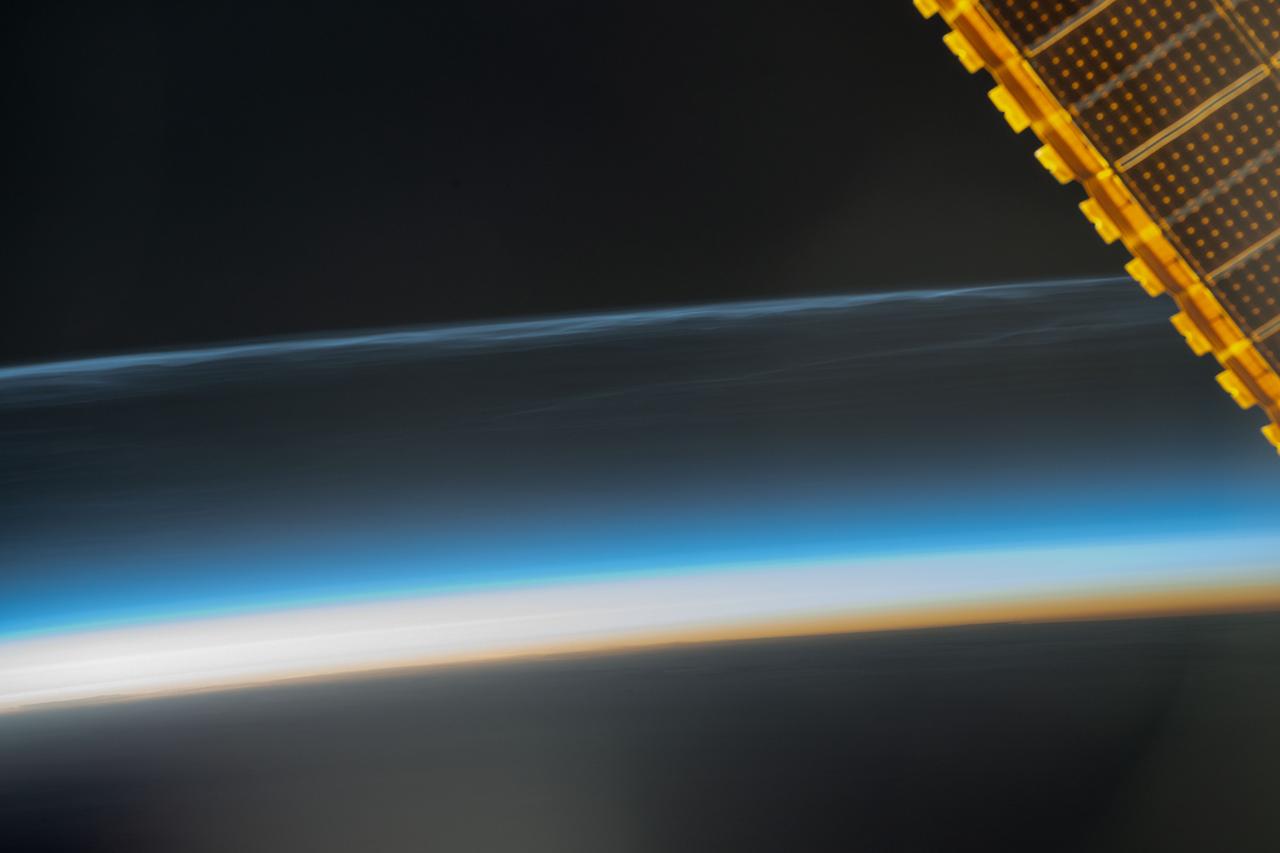
The curve of Earth and the pale cloud bands calm the set between the harder lines.
Read Carina NebulaEach cue below points to a visible shape or mark.
| Cue | Reading note |
|---|---|
| Grid | Use blocks, axes, and empty space to explain how a map organizes attention. |
| Coast | Coastlines and shore markers work well because they are visible structure with a clear place in the frame. |
| Orbit | Orbit views can describe scale, cloud, and light without naming a ground location. |
| Track | Track marks are useful because they read like route evidence while remaining fully public. |
| Legend | Legend-like language belongs when a visitor needs orientation inside a dense image. |
| Edge | Edges, borders, and horizons are the cleanest words for spatial images. |
| Sequence | Sequence should describe source order or display order, not a personal path through place or time. |
| Scale | Scale is safer than location; it tells the reader how much image is in view. |
| Inset | Insets and crops are editorial features worth naming when the frame matters. |
| Signal | Lighthouses, beacons, and bright markers make good public route objects because they are simple to verify. |
Clusters of light show spread and density without naming a street.
Follow this threadWheel lines and stones make the surface easy to compare from left to right.
Back to indexA bright tower gives the room a direct point of reference.
Follow this threadThe pairings connect printed maps, orbital records, and rover surfaces without merging them into one type.
The map gives the room a paper grid; the lighthouse gives it a visible signal object. Together they keep the navigation theme concrete.
Check sourcesOne record shows the whole planet; the other narrows attention to weather structure. The scale shift is the point.
Open image notesThe still image gives lines in dust; the video gives a rotating sense of horizon and rover deck.
Open video sourceBoth records are Martian surfaces, but one reads as a panorama and the other reads as patterned terrain.
Read long note