Long note

Sky records, maps, machines, and weather scenes in one reading room.

The page gathers different material types and keeps the credit line close to each object.

Long note

The page reads best when each object keeps its own scale.

A map wants labels, borders, and route logic. A lunar module wants structure, shadow, and landing gear. A cloud disk wants the limb of the planet and the texture around it. Each object below keeps to the kind of reading it can support.

The examples are grouped by material type rather than by tone. That makes the page move from deep space to city plans, then to Earth, Mars, planets, and print without losing the source trail.

The result is a page that can hold a lot of material while still staying specific. Every case names the object, the collection, and the page that carries the record.

What matters most is the object itself, followed by the credit line that tells the reader where it came from.
Extended note

Different records need different kinds of reading.

Nebulae and deep-field frames work because they carry dense texture and depth in a single view. Maps rely on labels, borders, and route lines. Machine records need scale, because the object is part of the subject. Weather and planet scenes sit between image and diagram, so the source page matters as much as the frame itself.

That range is what keeps the archive broad. A page with only one subject starts to feel flat. A page with sky, land, machine, and print records has more ways to stay legible.

Grouped records also help the eye move. A reader can move from one family of material to another without losing the link between the object and the collection page that describes it.

The long note is strongest when it stays close to the material and avoids turning every case into the same kind of paragraph.

Working examples

Eight records, each with a different subject and source page.

The examples keep the local file, the credit, and the record page close enough to verify at a glance.

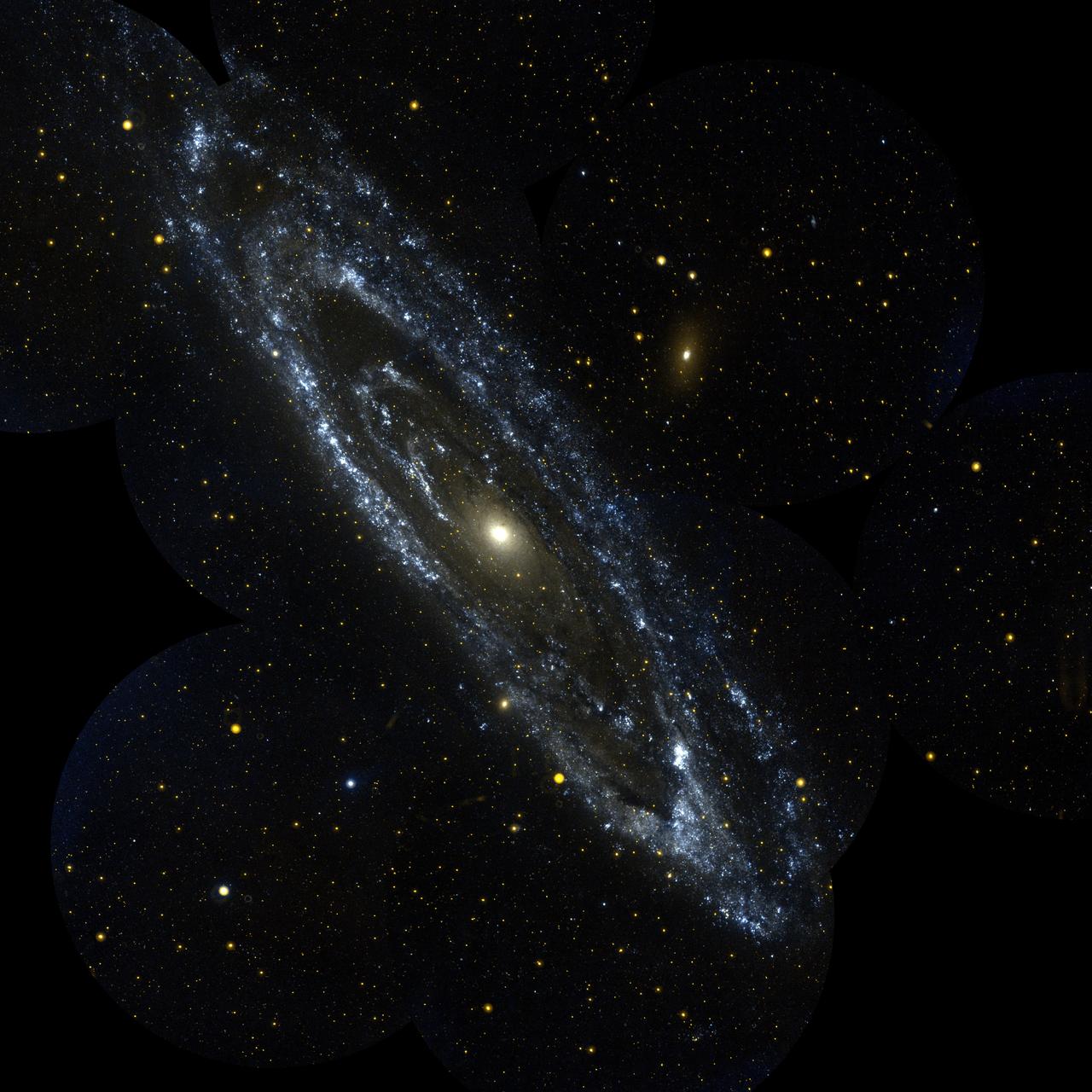
Andromeda Galaxy image
NASA/JPL - 2000-01-01

Andromeda Galaxy

The broad spiral structure gives this record a quiet opening shape. Local file: assets/source-images/nasa-andromeda.jpg. Credit: NASA/JPL/California Institute of Technology. Source page.

It works as a large, steady frame before the more compact records begin.

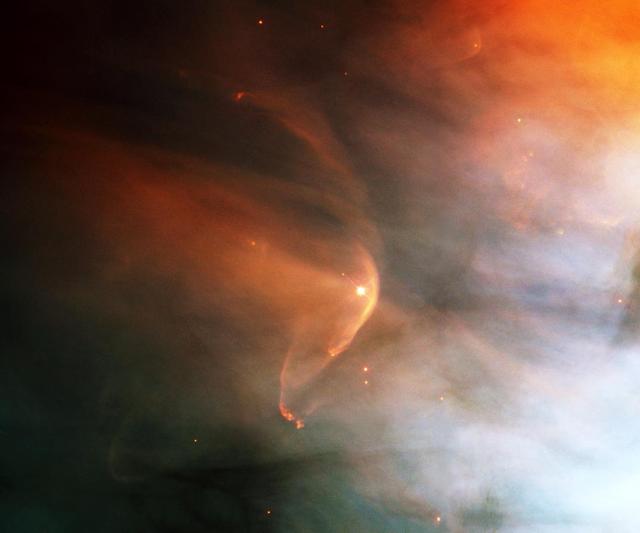
Orion Nebula and Bow Shock image
NASA/Hubble Heritage Team - 2006-01-01

Orion Nebula and Bow Shock

The shock edge and the bright core give the page a tighter star-forming scene. Local file: assets/source-images/nasa-orion-bow-shock.jpg. Credit: NASA and the Hubble Heritage Team STScI/AURA. Source page.

It brings more motion into the sky group without changing the scale of the record.

Books, maps, and reading room material
Library of Congress - reading set

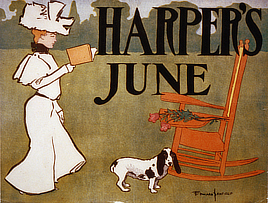
Books, Maps, and More

The set mixes reading rooms, atlas pages, and book culture in one place. Local file: assets/source-images/loc-books-maps.jpg. Credit: Library of Congress. Source page.

It gives the long note a quieter, paper-centered counterweight.

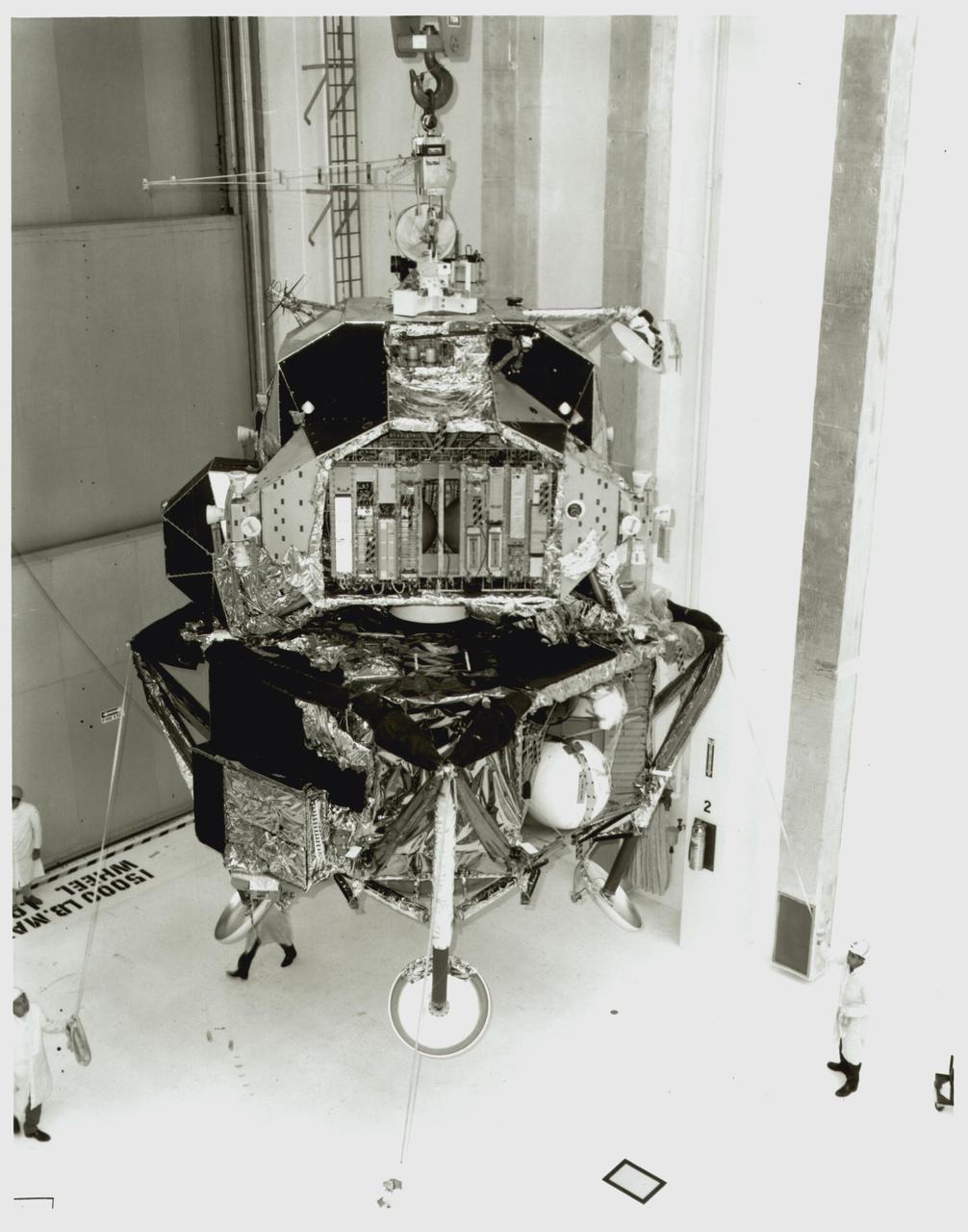
Apollo 11 Lunar Module image
NASA/KSC - 1969-04-04

Apollo 11 Lunar Module

The ladder, the landing gear, and the dust make this a machine record with a clear lunar setting. Local file: assets/source-images/nasa-apollo-lunar-module.jpg. Credit: NASA/KSC. Source page.

It reads as hardware first, landscape second.

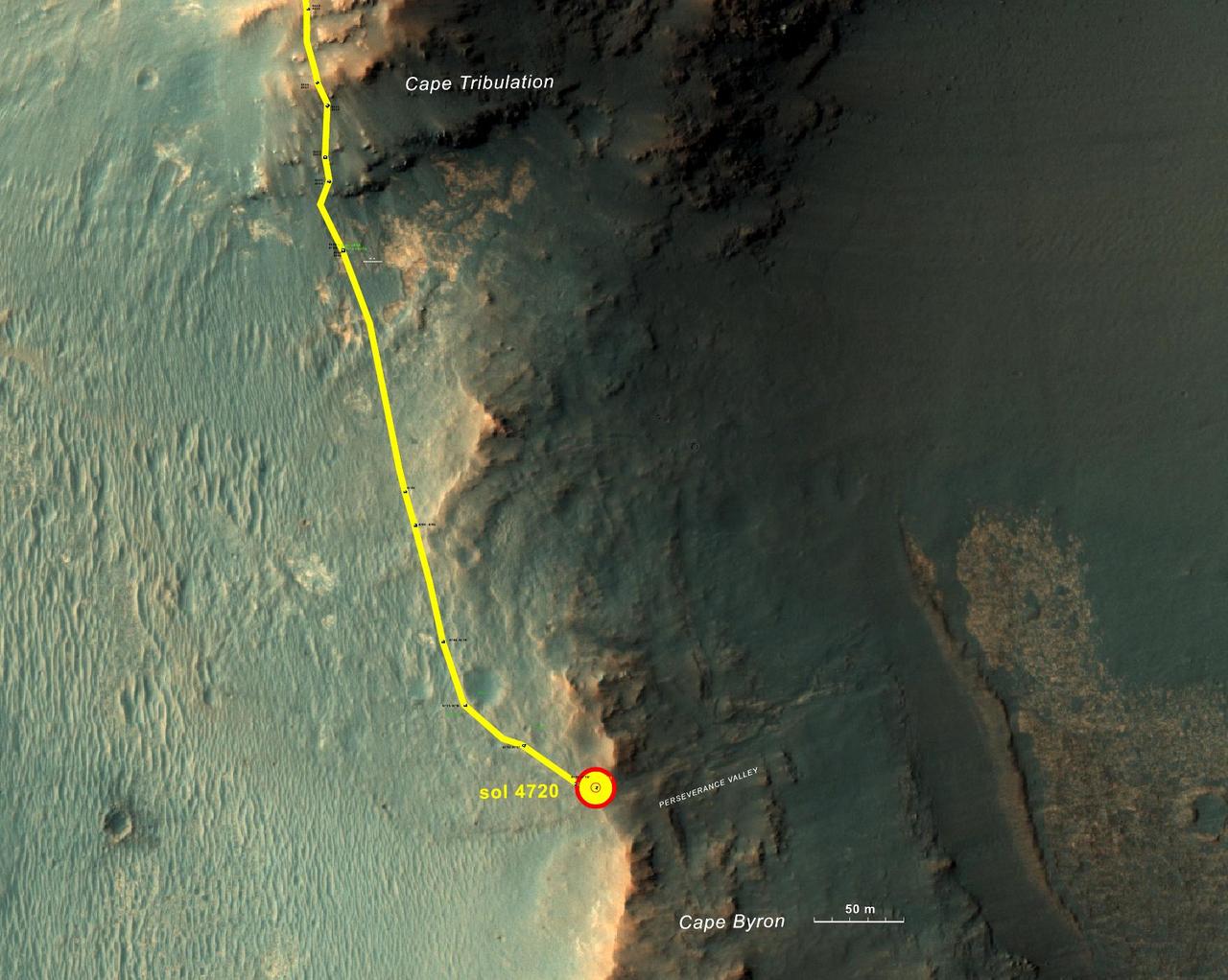
Perseverance on Mars
NASA/JPL-Caltech/ASU/MSSS - 2021-09-06

Perseverance Looks Toward Santa Cruz

The rover deck and the ridge line keep the Mars scene grounded in one frame. Local file: assets/source-images/nasa-mars-perseverance.jpg. Credit: NASA/JPL-Caltech/ASU/MSSS. Source page.

It is a useful surface record because the vehicle and the land are both easy to read.

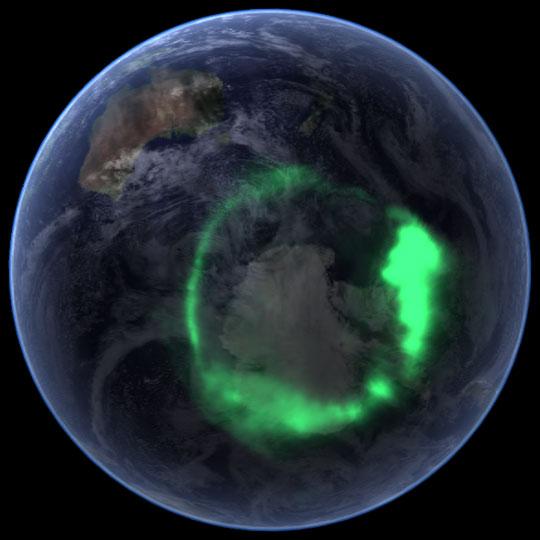
Aurora Australis from Space
NASA/GSFC - 2017-12-08

Aurora Australis from Space

The green curtain along the limb of Earth gives the page motion and color. Local file: assets/source-images/nasa-aurora-australis.jpg. Credit: NASA/GSFC. Source page.

It balances the colder sky records with a brighter atmospheric field.

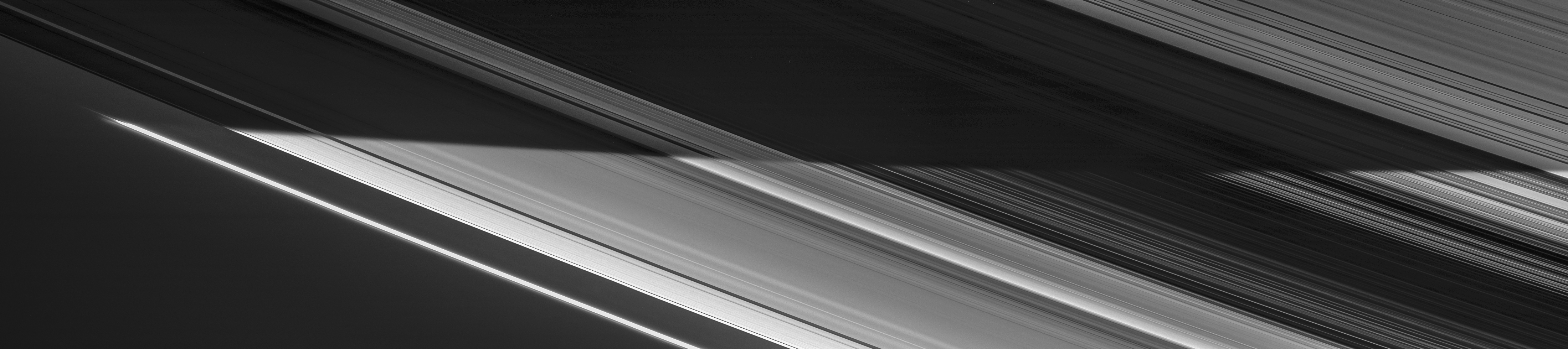
The Edge of the Night
NASA/JPL-Caltech/Space Science Institute - 2012-05-22

The Edge of the Night

The ring plane and the dark limb make Saturn feel architectural rather than ornamental. Local file: assets/source-images/nasa-saturn-night-edge.jpg. Credit: NASA/JPL-Caltech/Space Science Institute. Source page.

It gives the page a geometry study with a planetary subject.

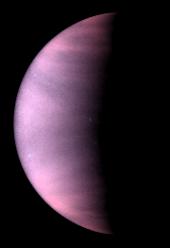
Venus Cloud Tops Viewed by Hubble
NASA/JPL - 1995-06-29

Venus Cloud Tops Viewed by Hubble

Cloud texture and the planet edge make this record feel almost like an atmospheric map. Local file: assets/source-images/nasa-venus-cloud-tops.jpg. Credit: NASA/JPL. Source page.

It closes the working examples with a softer, more diagram-like frame.

Reading notes

Short notes work when they point to the visible evidence.

A nebula note can stay brief because the frame already carries depth and texture. A map note needs labels and route lines. A machine note needs a reminder about scale. A weather note needs a sense of motion or a shape in the atmosphere.

That is why the archive stays varied. Sky records, map sheets, hardware, and print sets ask for different kinds of attention, and the page reads better when it lets those differences remain visible.

The best line is usually the one that tells the reader what is in front of them and what kind of record it is.

Material groups

The main kinds of records in the archive.

Each group has its own shape, which keeps the archive from flattening into one tone.

Sky

Nebulae and star fields

Carina, Andromeda, and Orion give the archive depth, structure, and a lot of texture in a single frame.

Open page
Maps

City plans and reading sheets

LOC maps and book sets keep labels, borders, and shelf logic in view.

Open page
Machine

Moon and Mars hardware

Apollo, Perseverance, and the lunar surface record show how vehicles and terrain can share the same frame.

Open page
Weather

Storms and auroras

Aurora, flare, and hurricane records give the archive motion without losing the source page.

Open page
Planets

Rings, cloud tops, and outer worlds

Neptune, Saturn, Venus, and Pluto extend the archive into the outer system.

Open page
Print

Posters and reading sets

WPA graphics and the books-and-maps collection keep typography and paper culture in the archive.

Open page
Close

The archive feels fuller when the records stay specific.

A page built from maps, machines, sky scenes, weather records, and print sets can carry a lot of range without sounding scattered. The source page gives the record its proof; the local page gives it a place in the larger group.

That is what gives the archive its shape. It can move from a nebula to a lunar module to a city map and still feel coherent because each object keeps its own subject, date, and credit line.

The page works when the material does the talking.

Object index

A compact index of records mentioned in the essay.

The essay now has a reference list so each case points back to an actual object.

RecordRoomWhy it appears
Andromeda GalaxySkyBroad spiral shape and visible orientation.
Orion Bow ShockSkyA useful edge case for light, dust, and shock structure.
Books, Maps, and MorePrintConnects reading rooms and map documents in one source set.
Apollo Lunar ModuleObjectMachine detail, mission date, and a clear NASA record.
Perseverance Santa CruzSurfaceRover view with a named ridge and strong horizon line.
Aurora AustralisEarthColor, atmosphere, and orbital viewpoint in one record.
Saturn EdgePlanetRing geometry and silhouette.
Venus CloudsPlanetCloud texture and older Hubble context.