NASA/GSFC - 2017-12-08
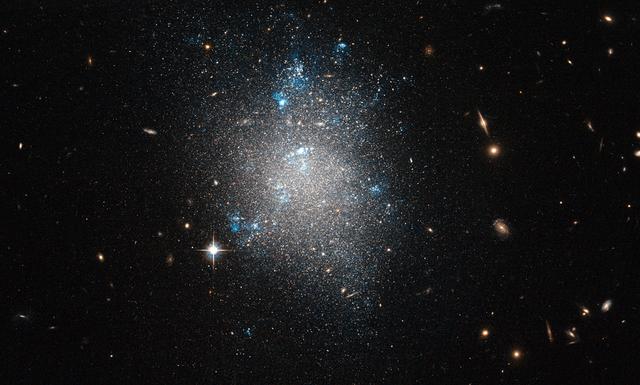
Dwarf Galaxy
A compact star field with a tighter grain and a cooler color range.
Back to indexThe frame holds hard edges in the cloud and soft glow along the bright bands.
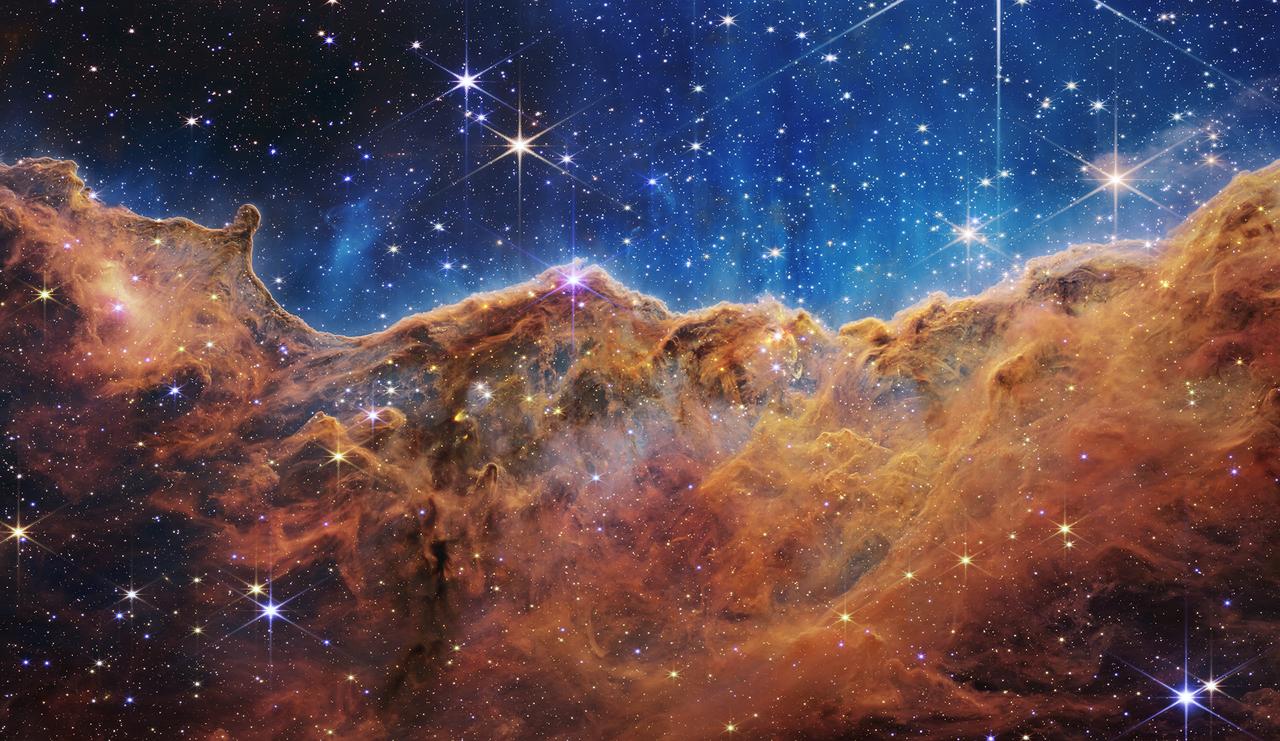
The image has strong color, a clear rim of light, and enough surface detail to reward a close look. The rough pillars at the center give the whole frame its shape.
Layered dust, dark pockets, and the pale glow along the edges keep the scene readable without any extra explanation. The composition does the work on its own.
The brightest bands sit against the darker folds, which makes the file easy to read at both small and large sizes.
Each record below has a different scale, color field, and surface feel.
A compact star field with a tighter grain and a cooler color range.
Back to index
A curved edge of Earth with cloud bands stretched across the light.
Open map room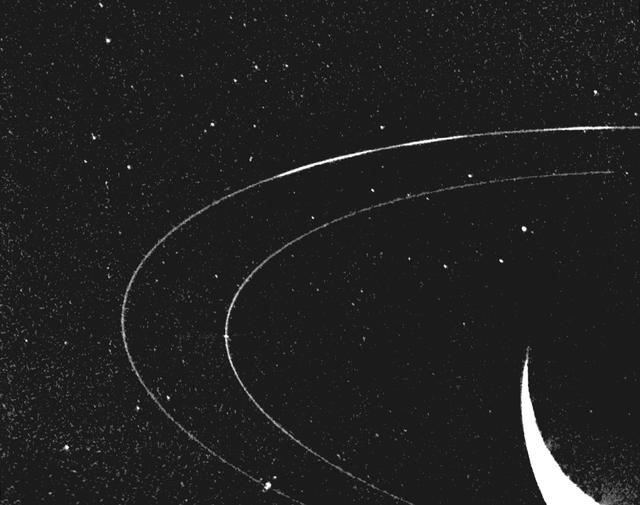
Thin ring arcs leave dark space around the planet and keep the frame spare.
Open source ledgerEvery card below points to a different kind of surface, edge, or light.
Dust marks and wheel lines turn the ground into a measured surface.
The shadows make the path easy to follow without adding clutter.
ContinueCloud fields, ocean color, and a full-globe view broaden the scale at once.
It works as a wide counterpoint to the tighter nebula frame.
ContinueBlocks, labels, and coastlines make a dense surface feel ordered.
The strong lines give the page another clean shape to place beside the sky image.
ContinueClusters of light show spread and density after dark.
The point is scale and pattern rather than place name.
ContinueThin arcs and empty space keep the frame lean and precise.
That spare layout balances the heavy structure of the nebula image.
ContinueThe curved edge and bright atmosphere give the page a calmer register.
It is a clean match for a layout that needs some open space.
Continue