Sky room
Nebula and deep field records
The opening images use star fields, dust lanes, and galaxy structure to set the tone. They work because the source facts are visible and the scene can be read without a personal backstory.
The page groups sky images, planetary views, and library material so each record has room to breathe.
Each entry keeps the object title, the local file, and a short reading note together. That gives the page enough context to feel complete without leaning on the same phrasing over and over.
The opening images use star fields, dust lanes, and galaxy structure to set the tone. They work because the source facts are visible and the scene can be read without a personal backstory.
The Library of Congress material brings in printed matter, route diagrams, and public design. It keeps the collection from feeling like a single NASA gallery.
Keep the copy concrete: title, date, credit, visible feature, and one reason the object belongs in the archive.
When a record starts sounding generic, swap in a stronger object or a more exact source line instead of stretching the caption.
The result should read like a careful notebook, not a promo page.
The cards below keep the source visible and the notes short, but each one says something different about the object.
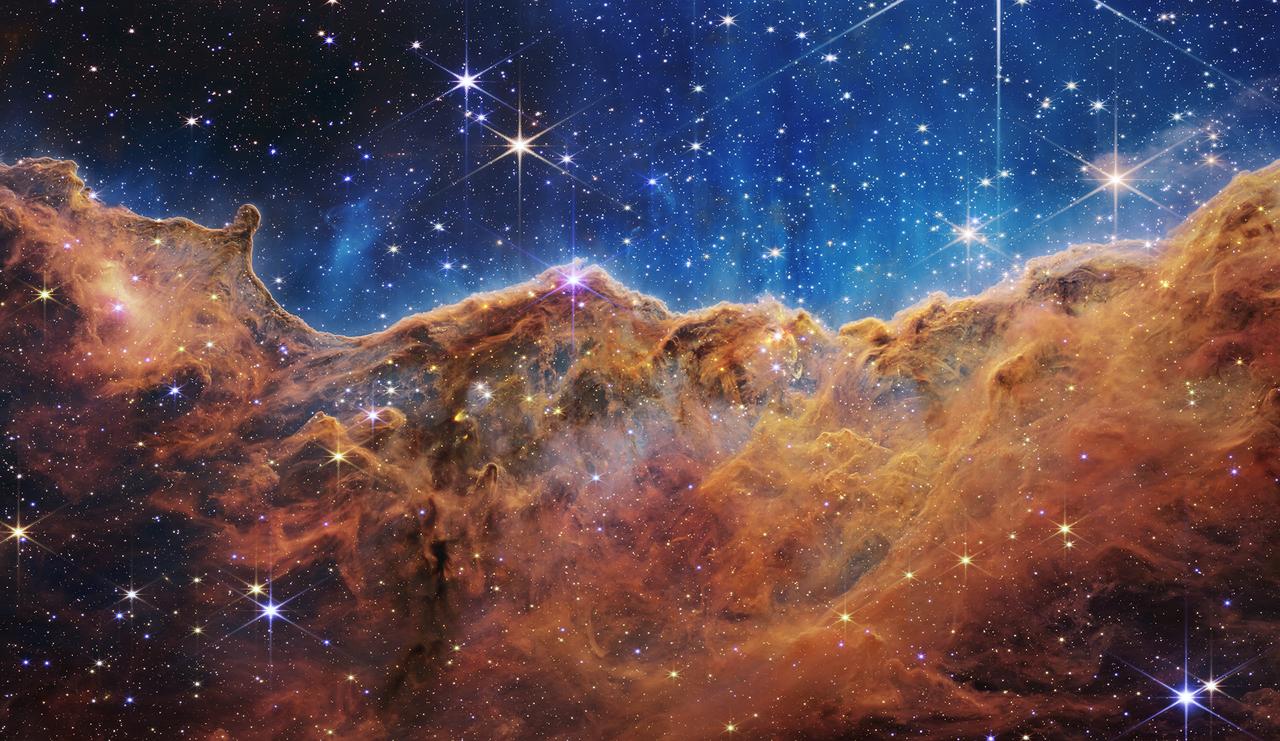
A sharp opening image with enough structure to carry the page. Dust, color, and depth do most of the work.
Read selected note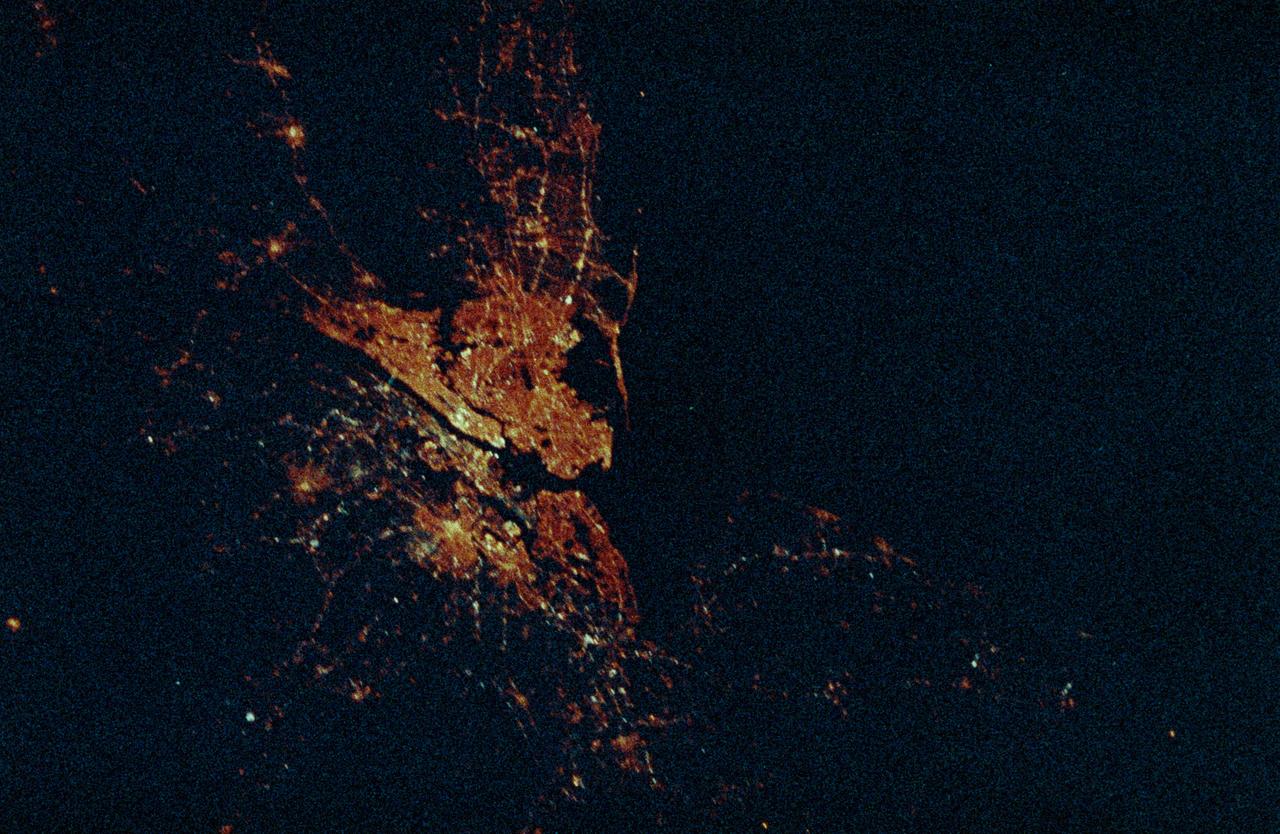
City lights from orbit turn scale into pattern. The record works best as a clean, legible Earth view.
Read map-room note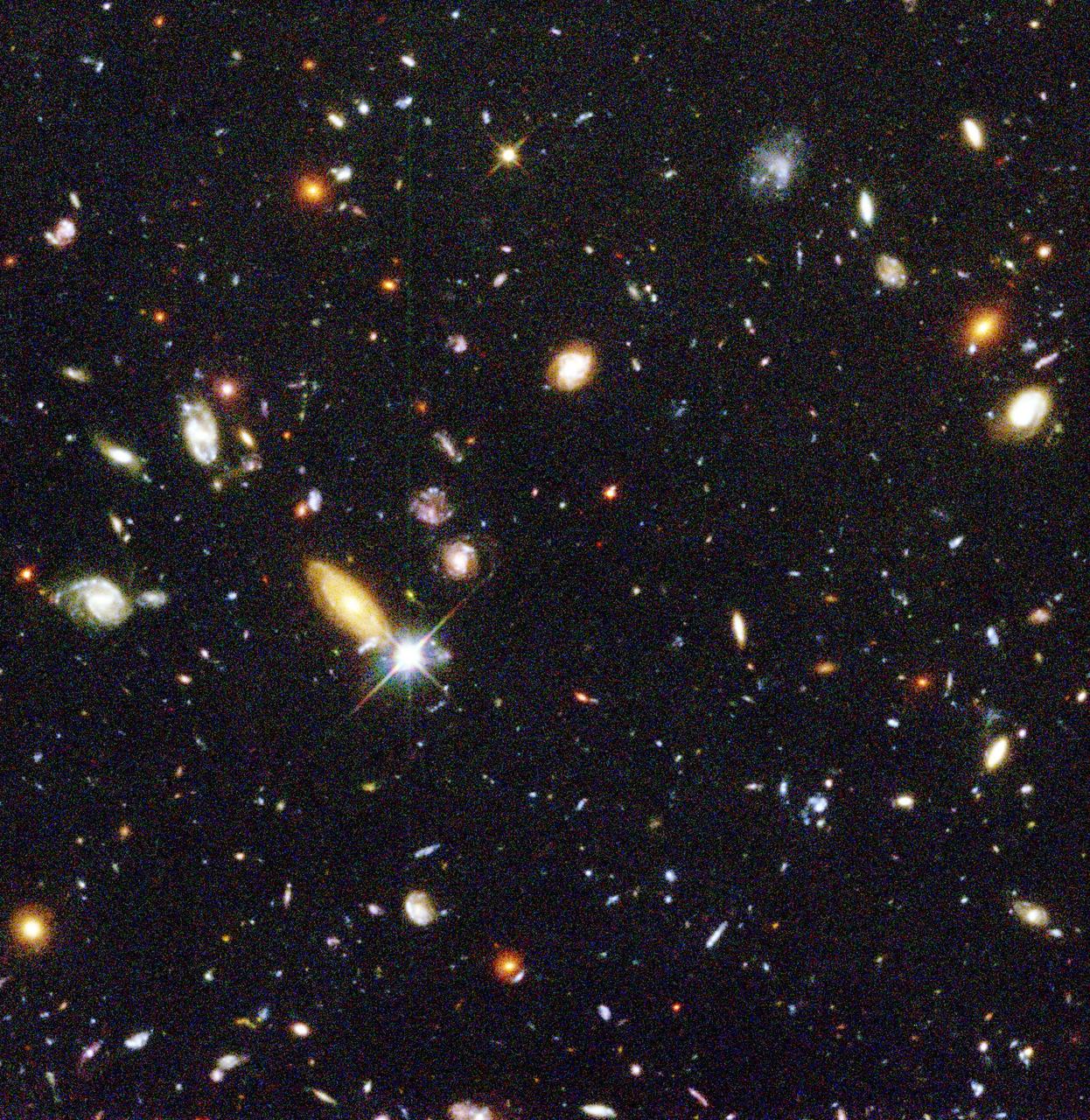
One small patch of sky becomes a dense ledger of faint objects. The image rewards slow looking.
Read selected note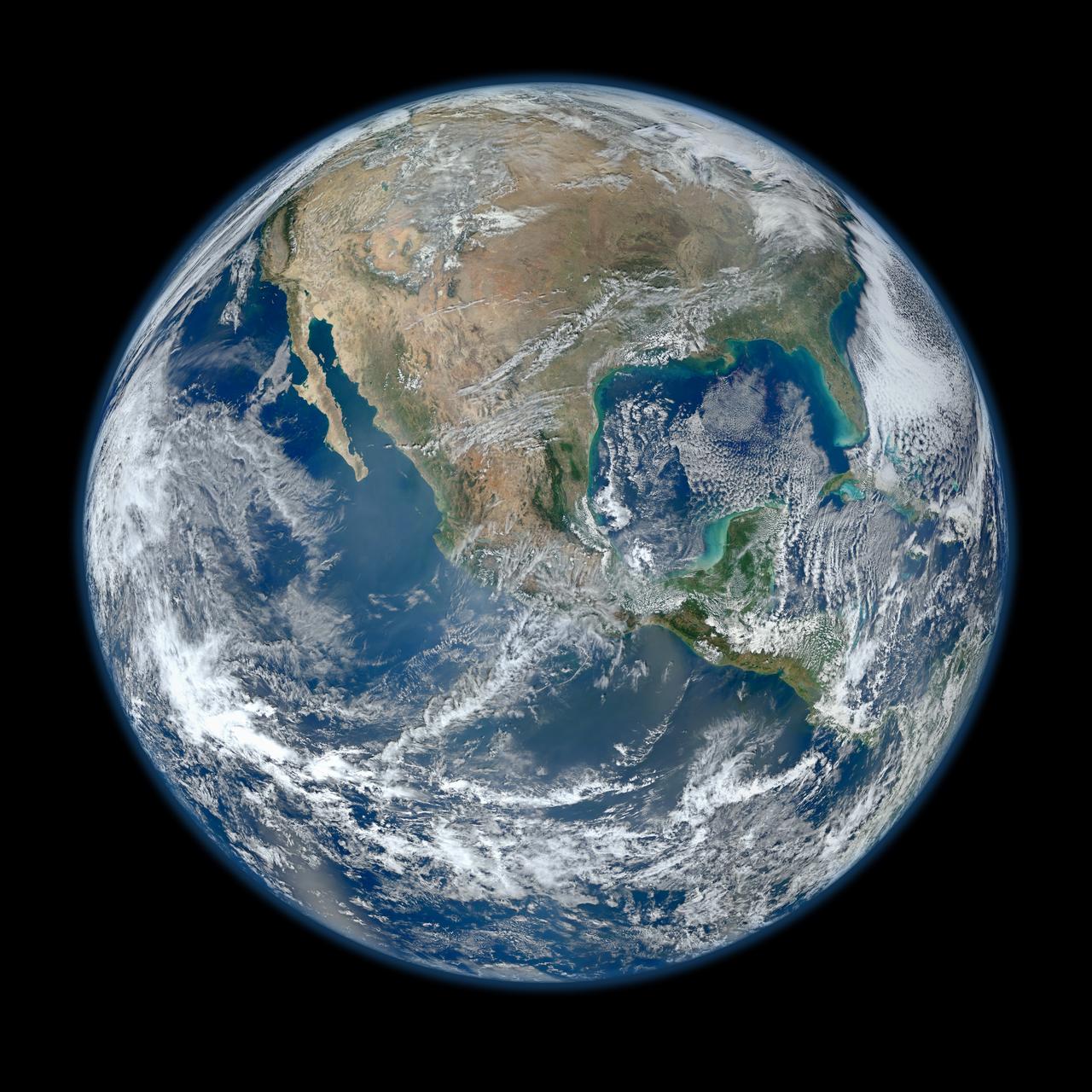
The familiar globe is useful because it is instantly readable and easy to verify against the source page.
Read source record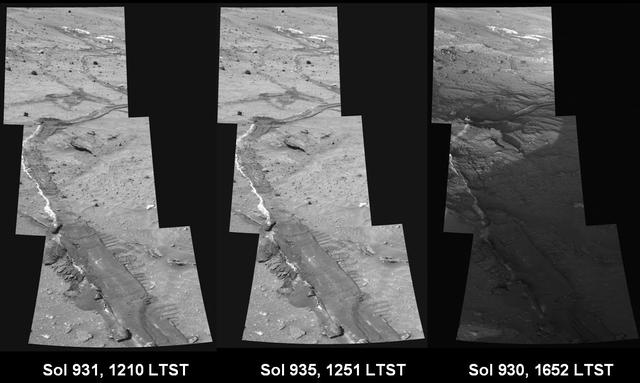
Track marks, shadows, and dust turn the surface into a readable field note. It is a good counterpoint to the space images above.
Read map-room note
Stacks, tables, and reading rooms add human scale without turning the archive into a personal bookshelf.
Read shelf note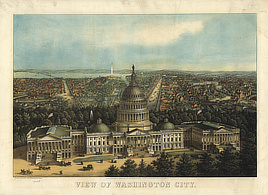
Grids, labels, and borders make the map room feel editorial instead of personal. The document carries the meaning.
Read map-room note
The poster adds a different kind of public image: graphic, direct, and built around a message rather than a place.
Read source record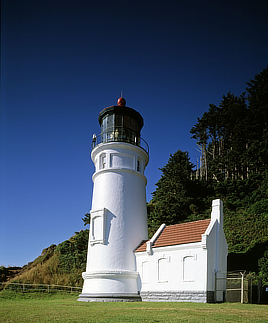
Navigation imagery gives the map room another public object that feels spatial without naming any personal route.
Read map-room note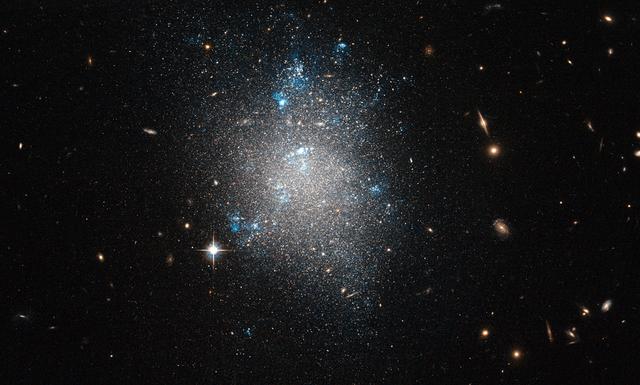
A smaller galaxy keeps the sky shelf from feeling repetitive. The object has enough detail to hold its own.
Read source record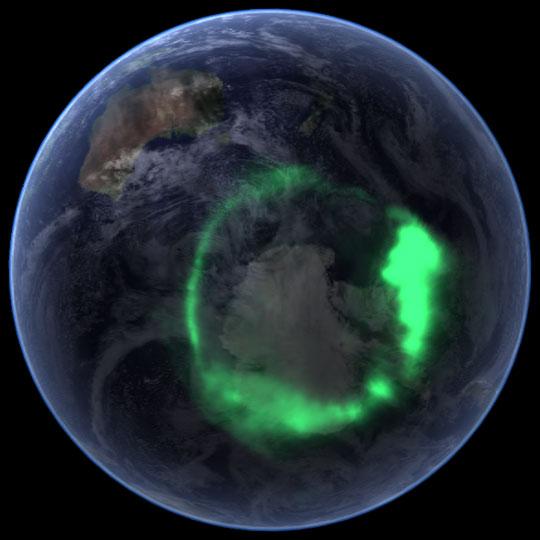
Light on the edge of the planet adds motion and a clear atmosphere without needing any local landmark.
Read source record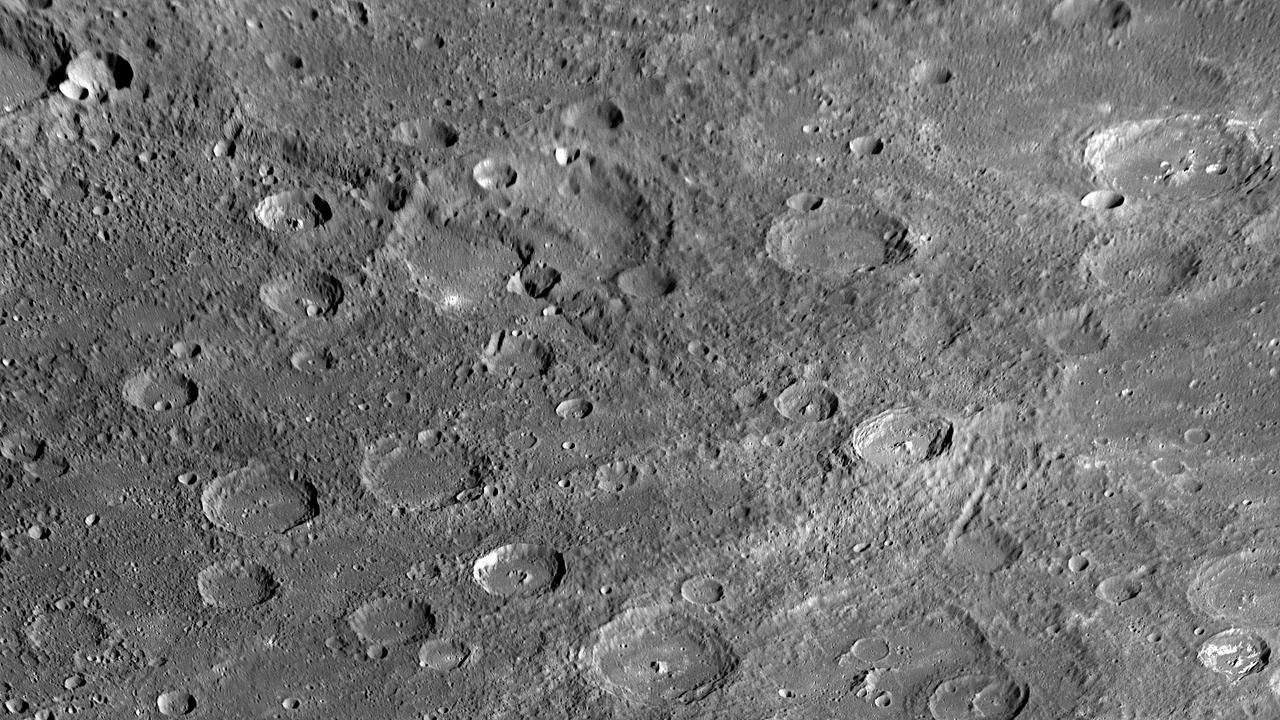
Ridges and breaks in the surface keep the planetary shelf varied. The image feels precise rather than dramatic.
Read source recordThis table keeps the selection logic visible so the grid does not need another layer of repeated captions.
| Room | Object | Reading angle | Why it stays here |
|---|---|---|---|
| Sky room | Carina Nebula Cosmic Cliffs in the Carina Nebula |
Dense color and layered dust | It opens the site with a public object that already feels complete. |
| Earth observation room | Earth at Night Night Earth Observation of New York City |
Light pattern and scale | The image is readable at a glance and stays useful on its own. |
| Sky room | Deep Field Hubble Deep Field |
Depth, density, and faint objects | It gives the index a slower image that rewards close inspection. |
| Earth room | Blue Marble Blue Marble 2012 |
Whole-planet view | It is the cleanest broad reference point in the set. |
| Surface room | Mars Tracks Mars Rover Tracks and Surface Shadows |
Tracks, shadow, and dust | The image adds movement without depending on a human story. |
| Document room | Library Room Libraries: Free to Use and Reuse Set |
Interior scale and shelving | It lets the archive speak about reading without turning into a diary. |
| Document room | City Map Maps of Cities: Free to Use and Reuse Set |
Grid, border, and label language | The map room needs a printed object that can carry the whole idea. |
| Print room | WPA Poster WPA Posters: Free to Use and Reuse Set |
Type, shape, and message | It brings graphic design into the catalog without repeating the same image family. |
| Navigation room | Lighthouse Lighthouses: Free to Use and Reuse Set |
Signal and shoreline language | The object reads spatially while staying anchored to a public source. |
| Sky room | Dwarf Galaxy Hubble Views a Dwarf Galaxy |
Compact galaxy structure | It keeps the sky shelf from becoming only deep fields and nebulae. |
These items give the catalog more outer planets, weather, small bodies, and solar activity.
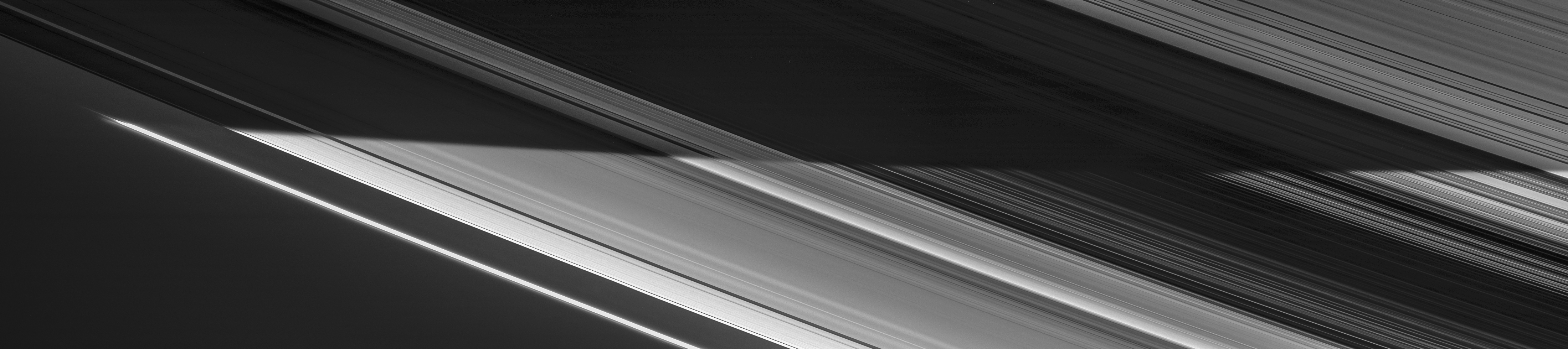
A thin ring plane and dark limb make this a study in silhouette rather than color.
Source row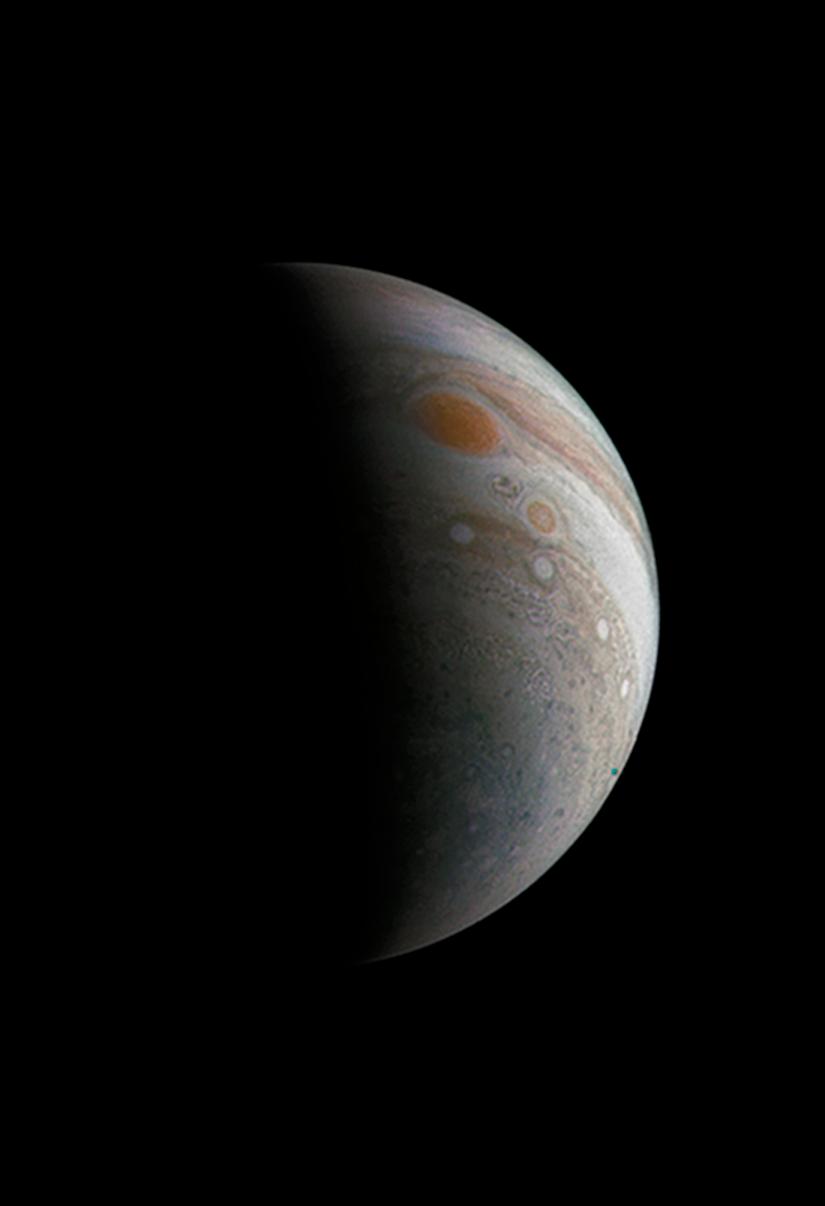
Bands and the Great Red Spot give the planet shelf a record with named visible features.
Source row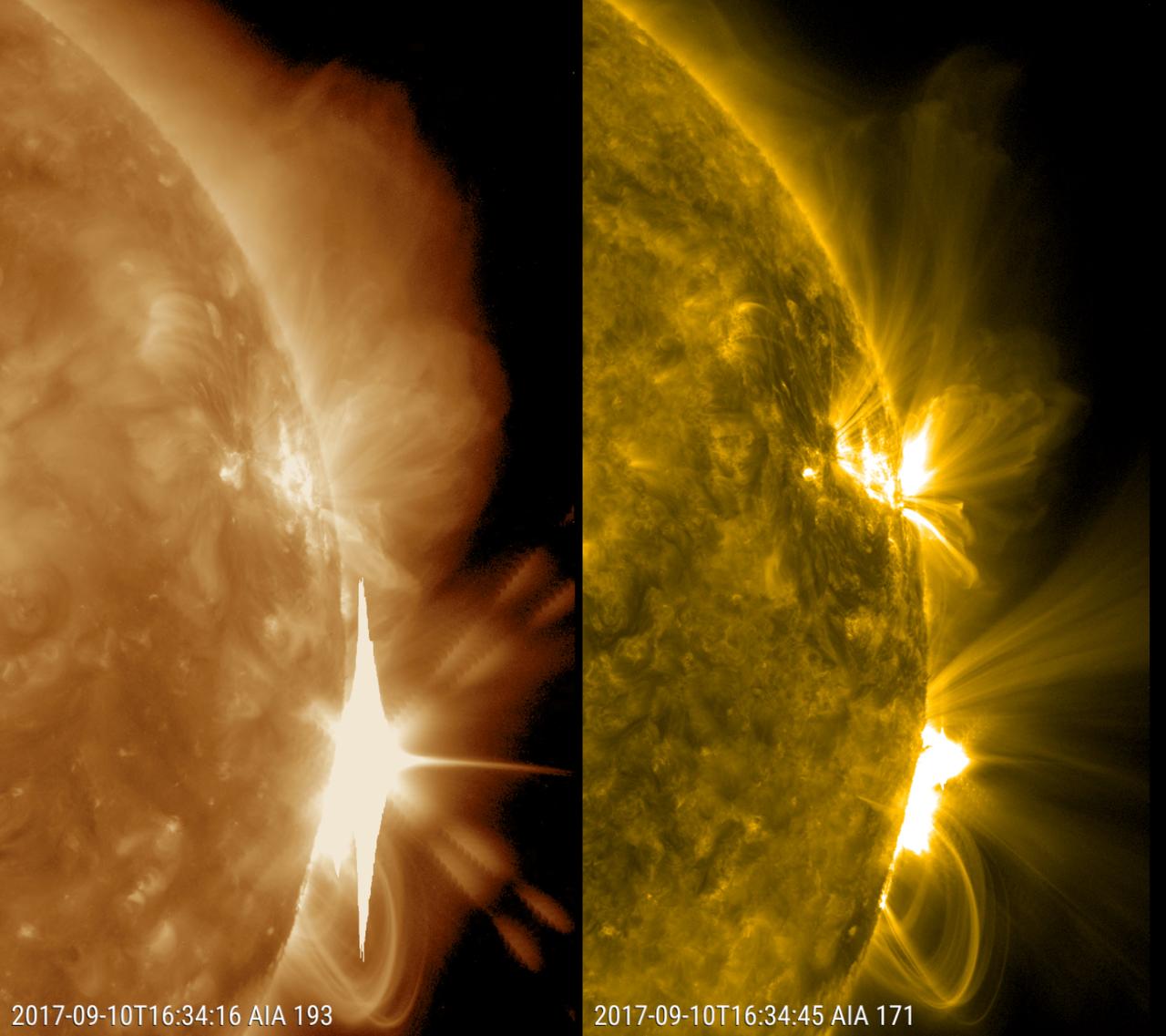
A bright solar event adds energy and motion language without needing a video clip.
Source row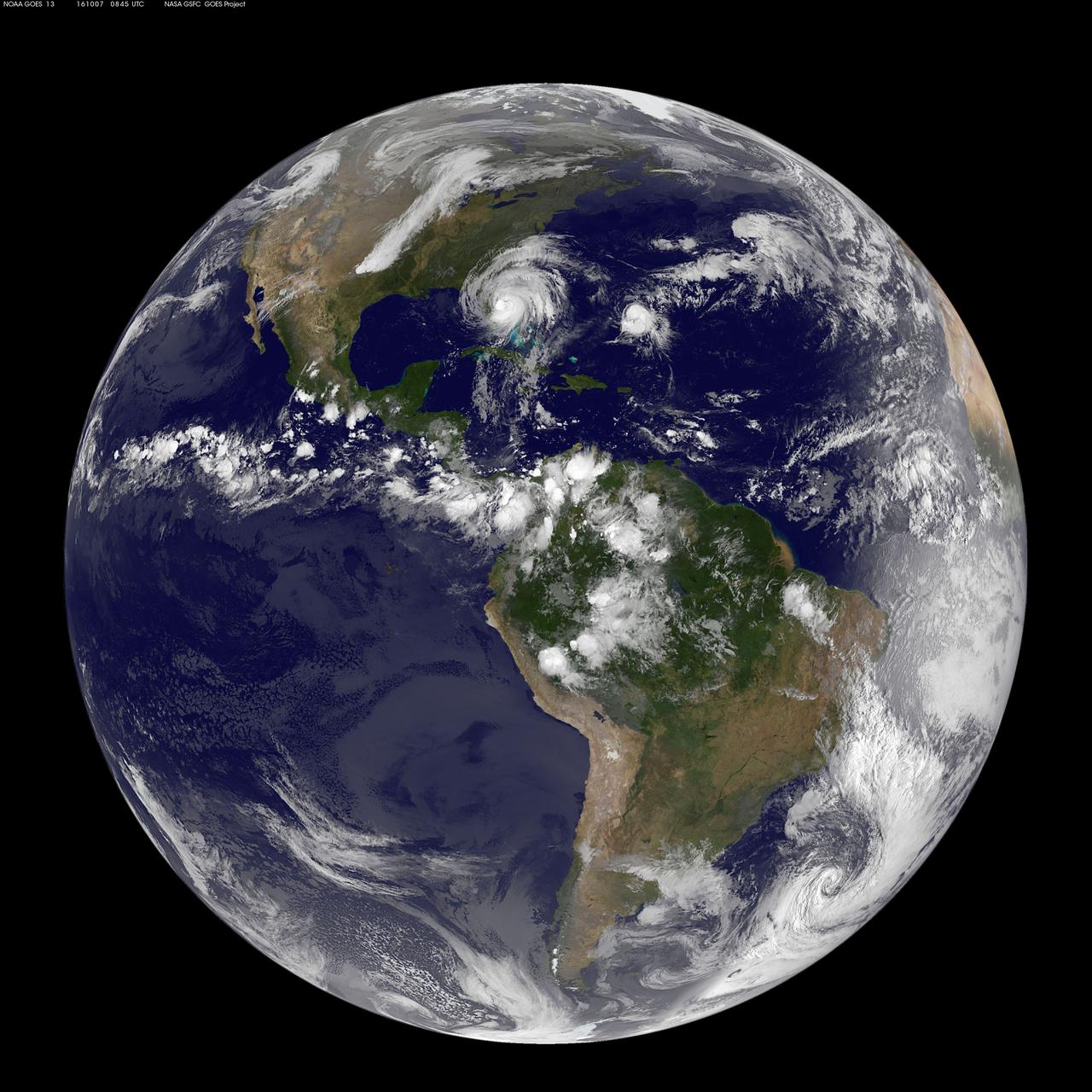
The spiral shape reads as a weather system before the caption supplies the name.
Map room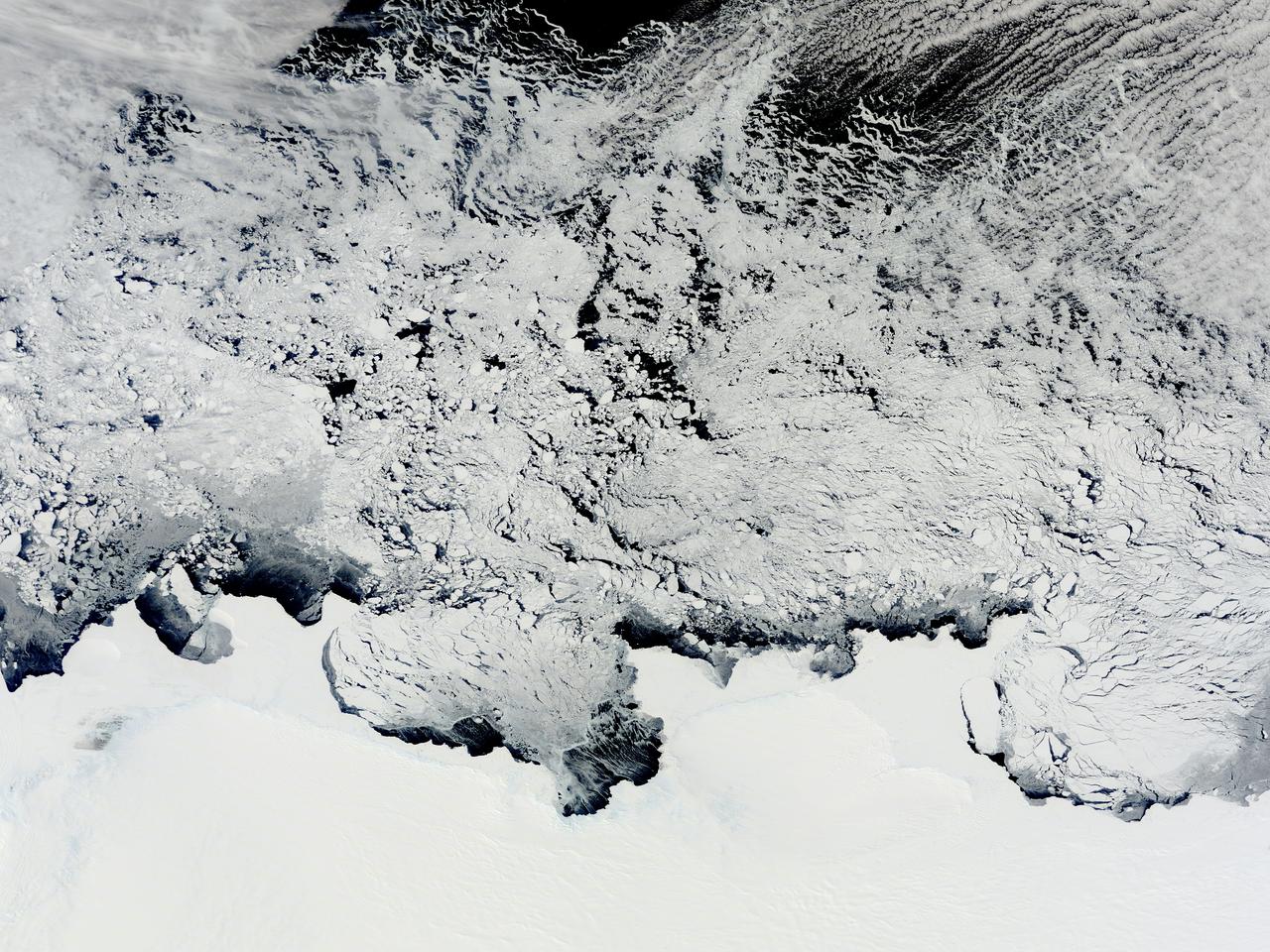
Polar geometry gives the Earth shelf a quiet record of ice, coast, and scale.
Map room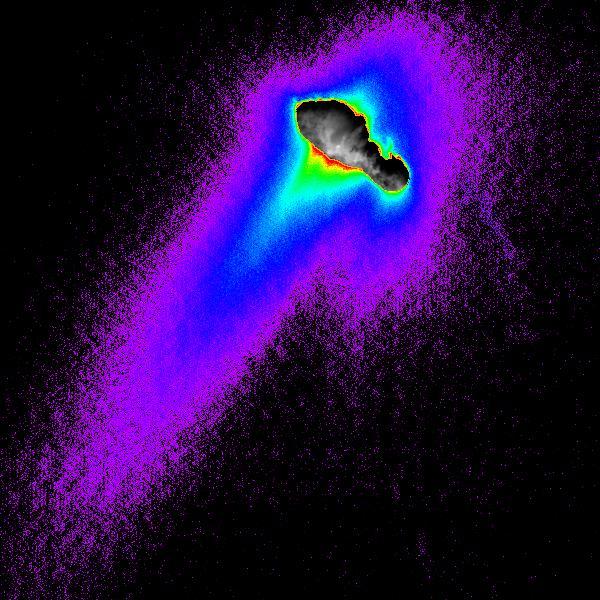
A small-body record adds jets, nucleus shape, and a different kind of space object.
Source row