field notes from 02/08/23

Mono Lake grebes in late fall

Drove up from Mammoth the night before. Mono Lake in late October is mostly about the eared grebes — they stage here by the hundreds of thousands before moving south — and the alkali flies that feed them. The south tufa area was closed at the main lot but I walked in from the south road and had the whole shoreline to myself. Phalaropes were done, but gulls and grebes were the show.

Temperature was below freezing for the first two hours. I wore gloves thin enough to still work a joystick and they were not warm enough.
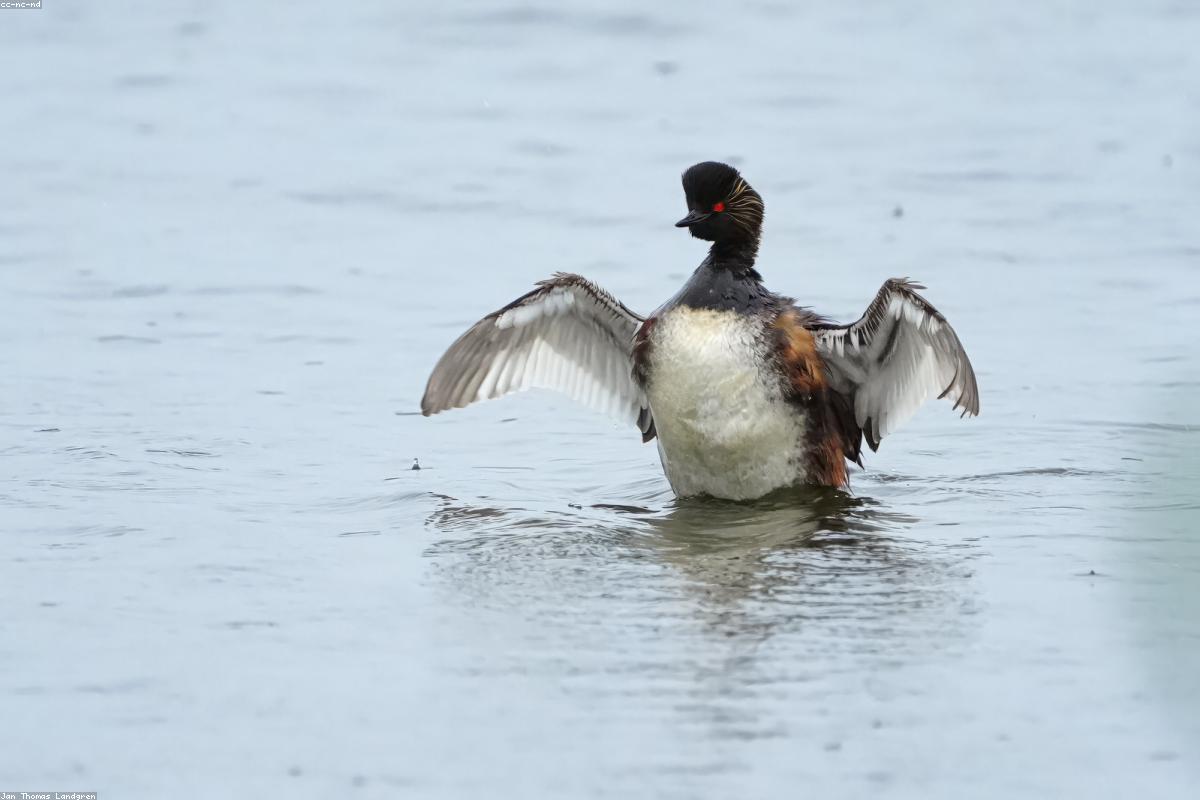
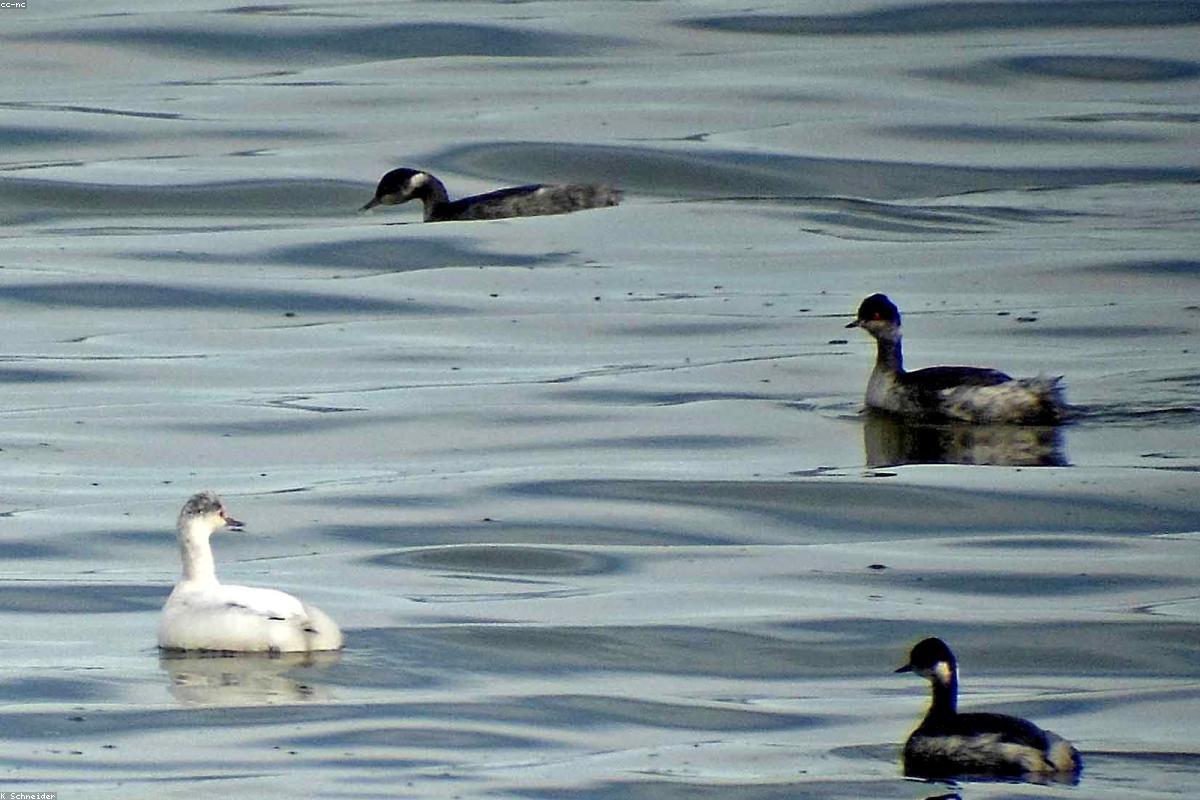
Eared grebe on silver water
One of thousands. This one close enough to count eye feathers. Eared Grebe 500mm, 1/1000s, f/7.1, ISO 640
Eared grebes rafted offshore
Rafted flock offshore. Pulled back for scale. Eared Grebe 600mm, 1/3200s, f/8, ISO 2000
California gull standing on tufa
Posed on a tufa column. California Gull 500mm, 1/1000s, f/6.3, ISO 800
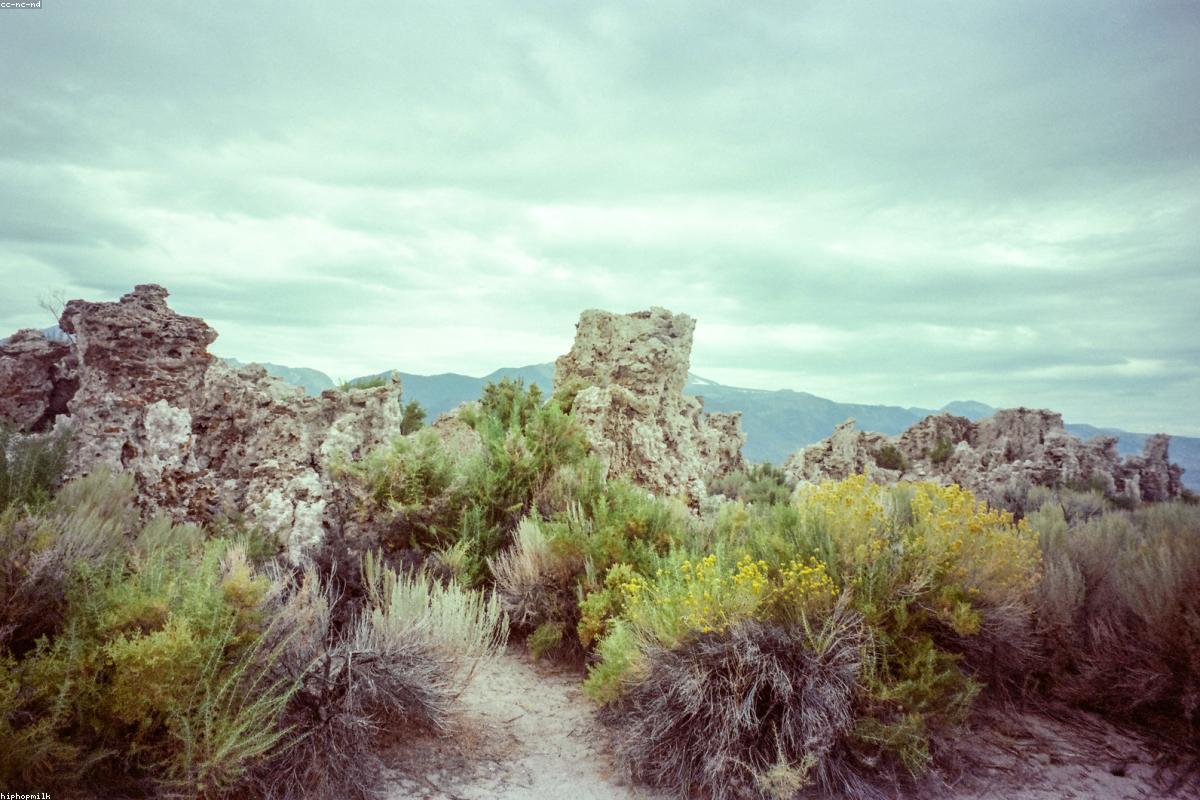
Mono lake tufa towers with mountain backdrop
Getting the tufa into every frame is automatic here. Mono tufa at sunrise 23mm, 1/500s, f/8, ISO 200
Sage thrasher on sagebrush
Back in the sage on the walk out. Sage Thrasher 450mm, 1/1250s, f/8, ISO 1000
Harrier coursing over grass
Low and slow over the meadow. Northern Harrier 350mm, 1/1600s, f/6.3, ISO 1000
Close view of alkali flies on wet shore
The reason the grebes are here. Trillions of them. Alkali flies 150mm, 1/320s, f/5.6, ISO 1600
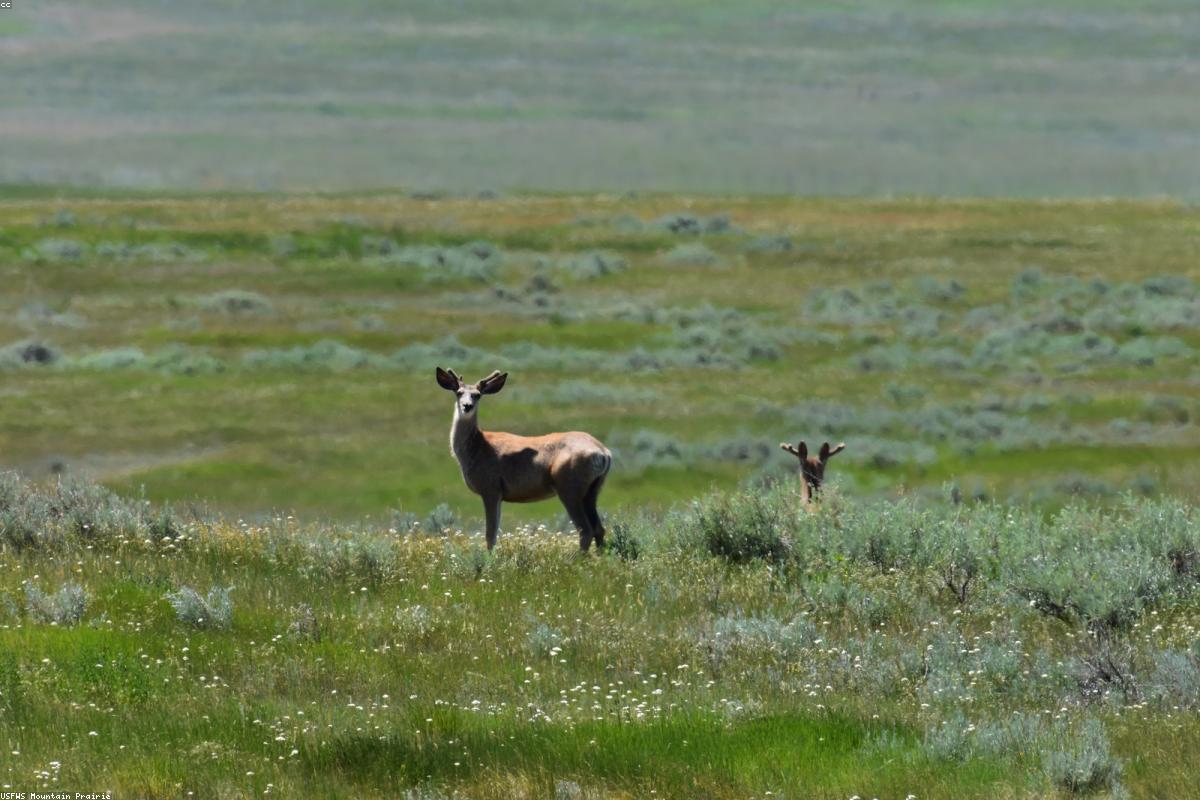
Mule deer at edge of sagebrush
Small group in the brush on the drive in. Mule Deer 400mm, 1/1600s, f/6.3, ISO 640
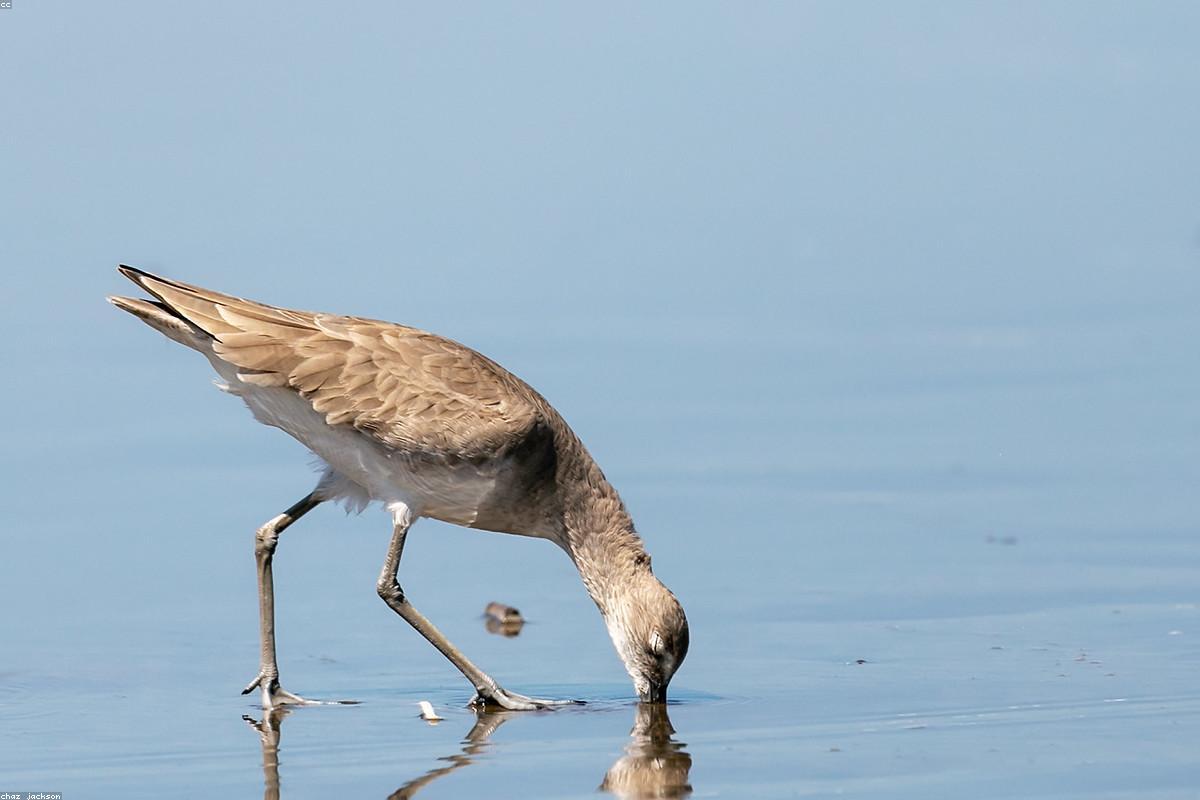
Snipe in grass at the lake edge
Flushed, then re-pinpointed. Good eye. Wilson's Snipe 300mm, 1/800s, f/5.6, ISO 800
Red-tailed hawk on a fence post
Local red-tail on the drive out. Red-tailed Hawk 300mm, 1/2000s, f/6.3, ISO 1250