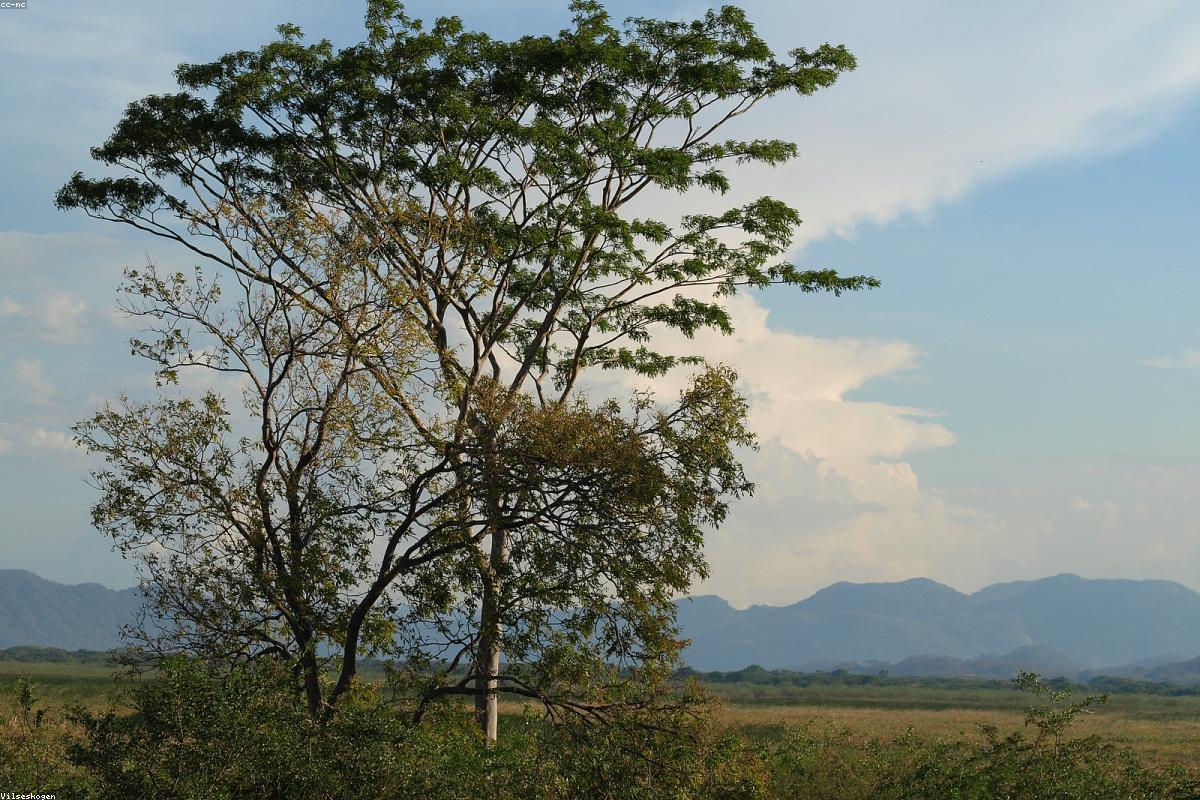
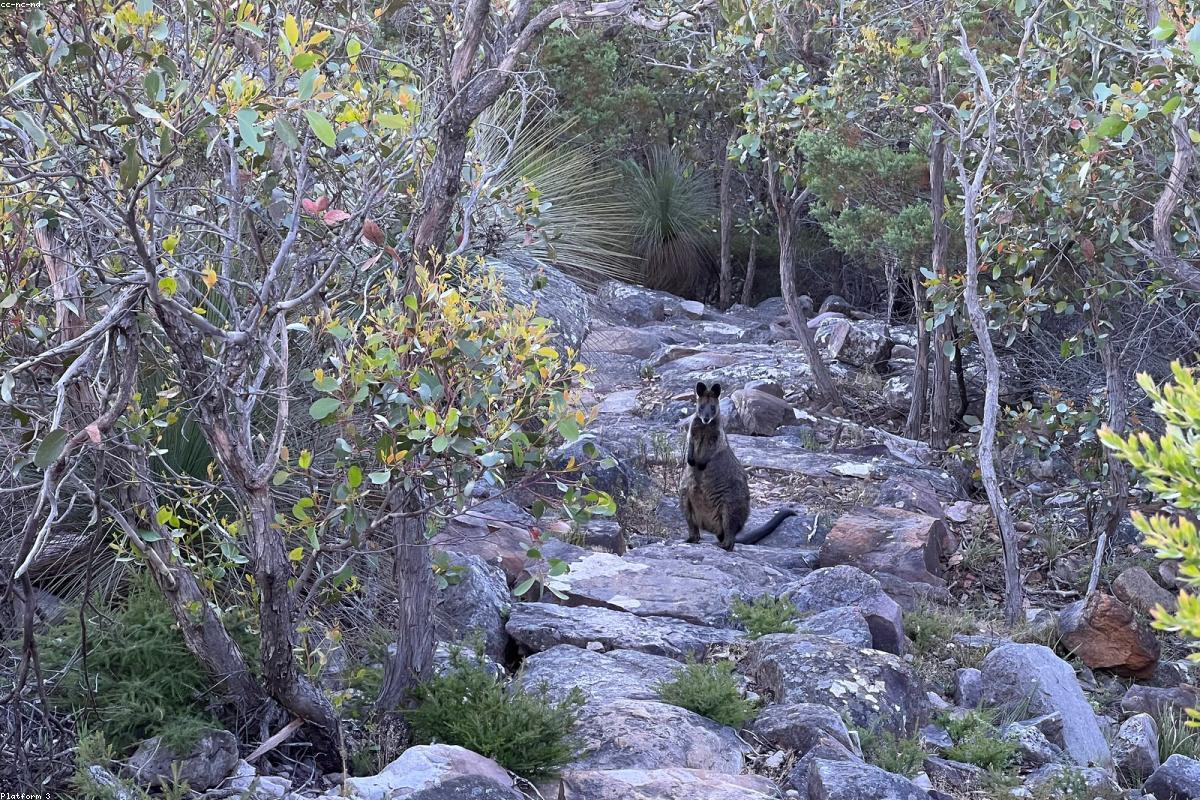
· Kakadu National Park, Northern Territory, Australia
· Warm and humid, 84°F, scattered cloud, mud still fresh
· Fujifilm X-T5, 150-600mm
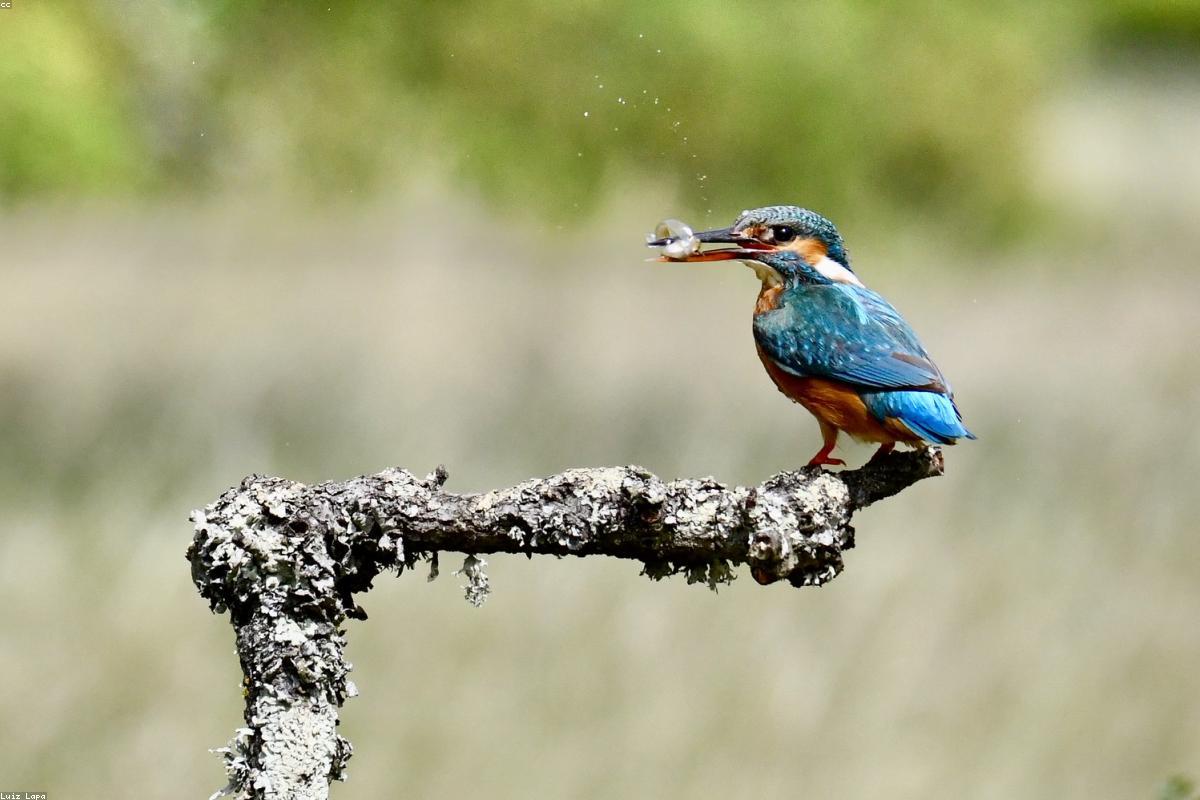
Flew into Darwin and drove down. Kakadu at the beginning of the dry season is when the wetlands start shrinking but birds are still concentrated on the open water. I did a Yellow Water boat tour at dawn on day two and it delivered: Black-necked Stork (the local ‘Jabiru’), Magpie Geese in thousands, Azure Kingfisher on a branch for thirty seconds.
The light down there is harder than anywhere else I’ve been. High and harsh by 9 a.m. I stopped trying and slept midday.
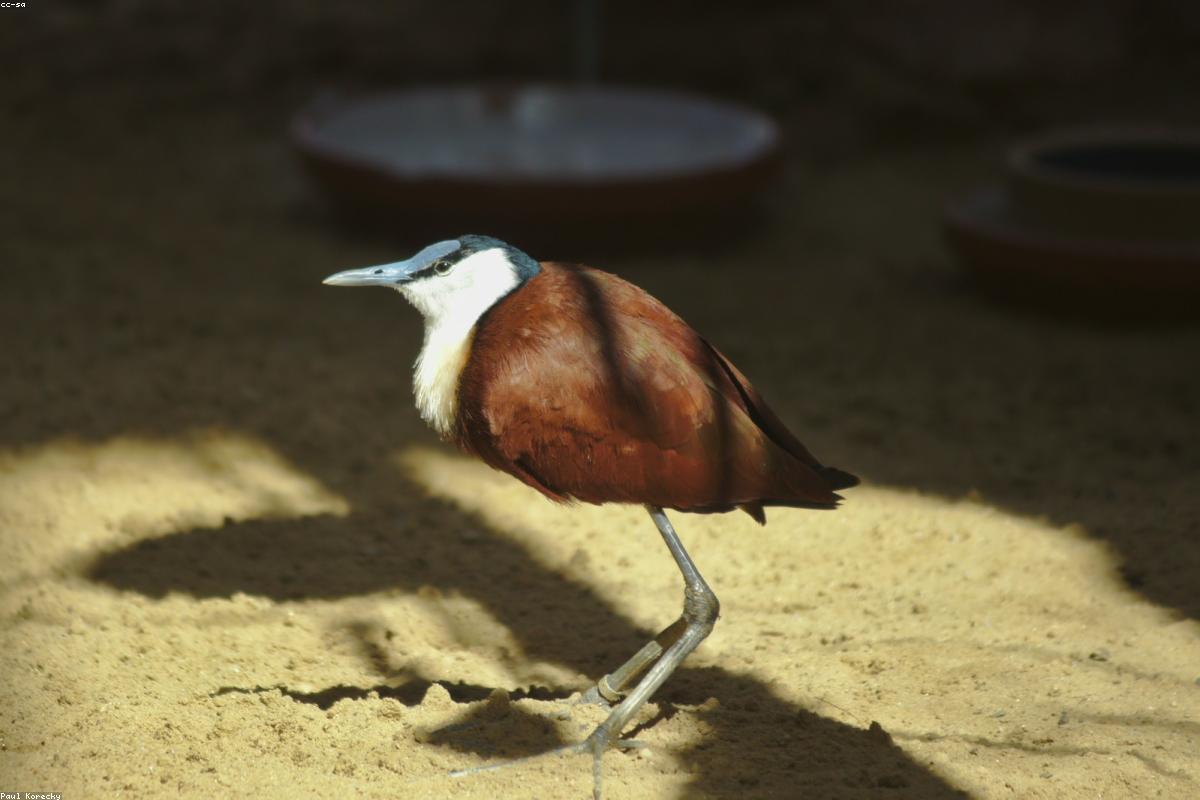
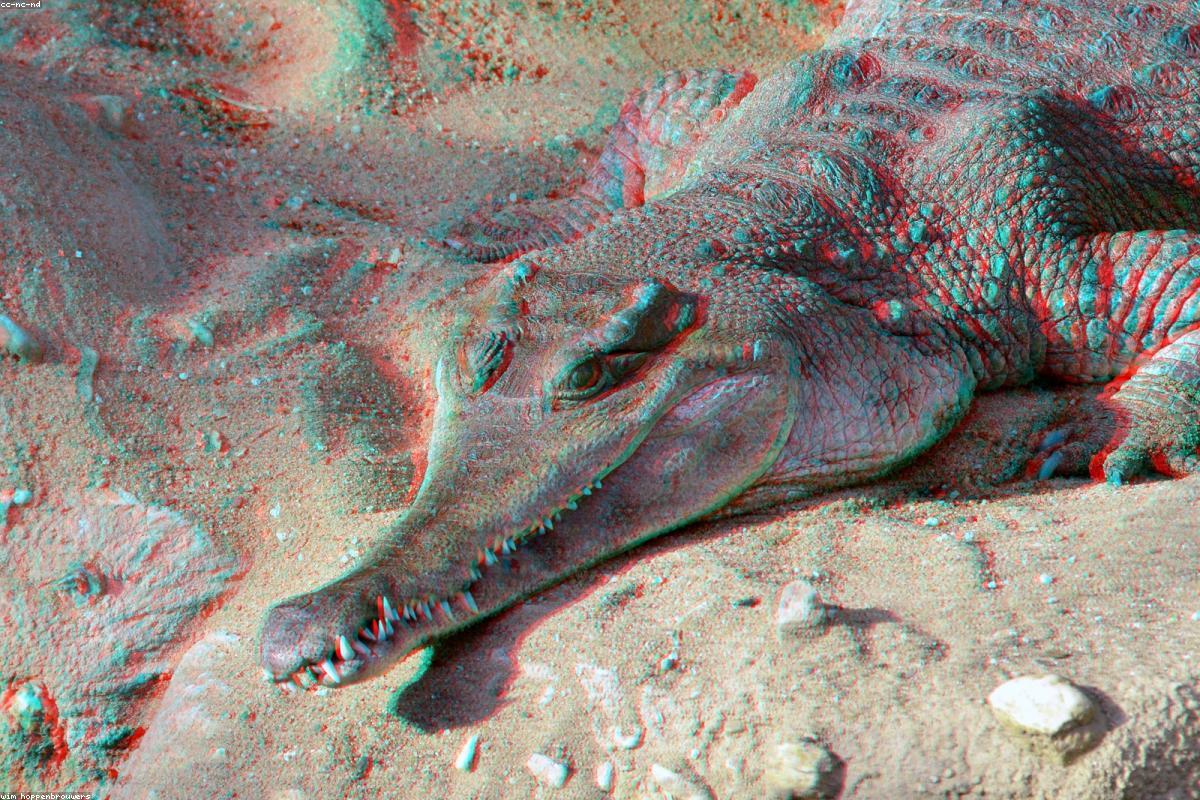
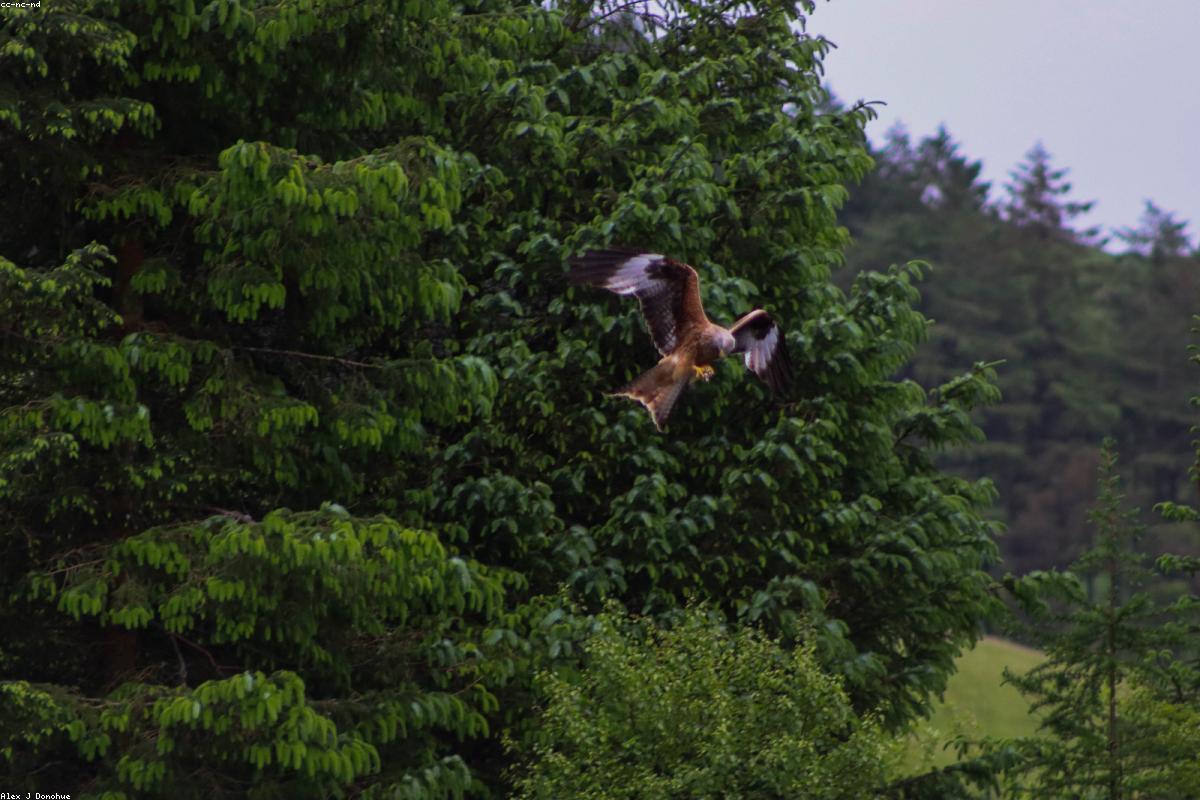
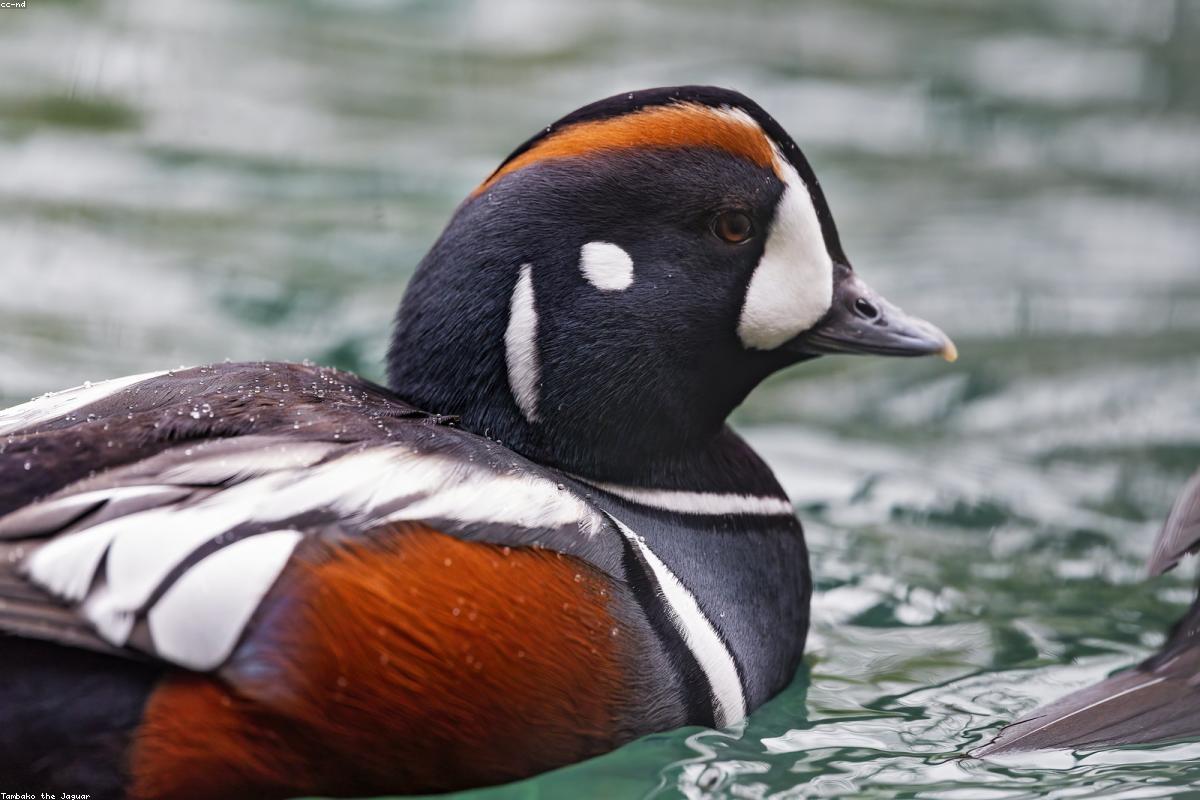
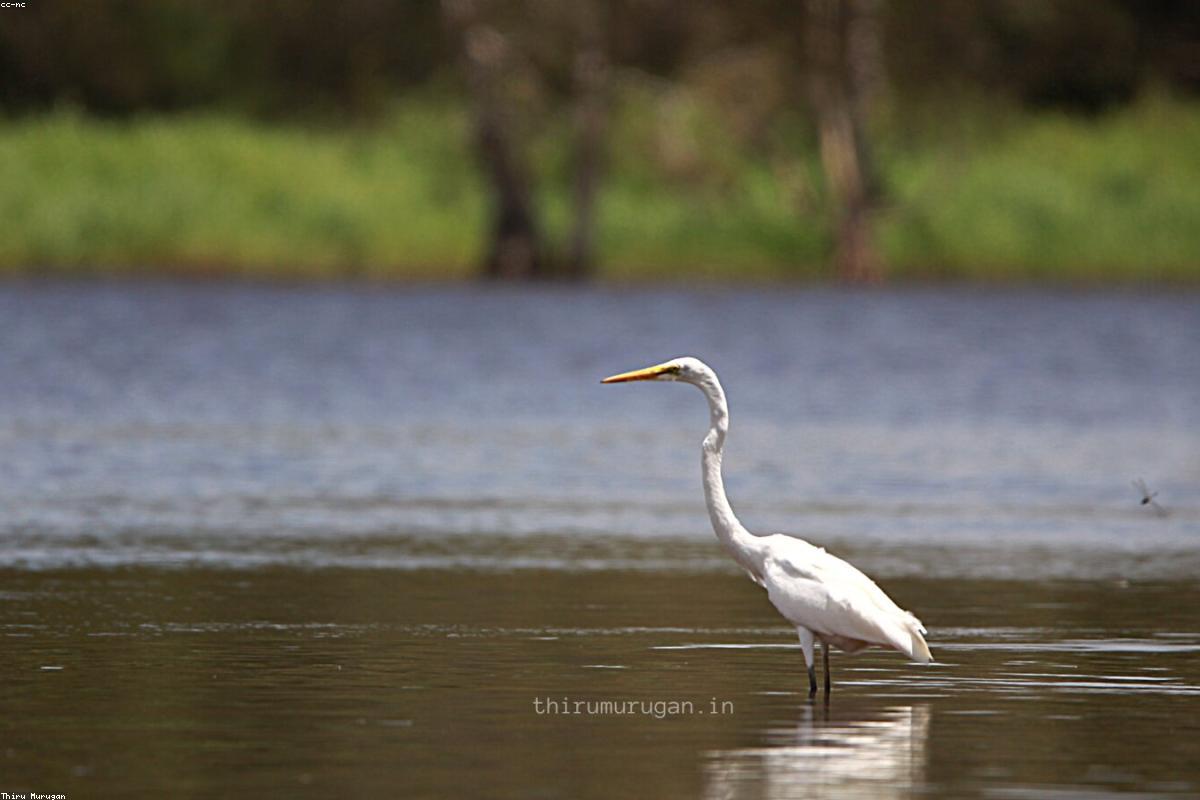
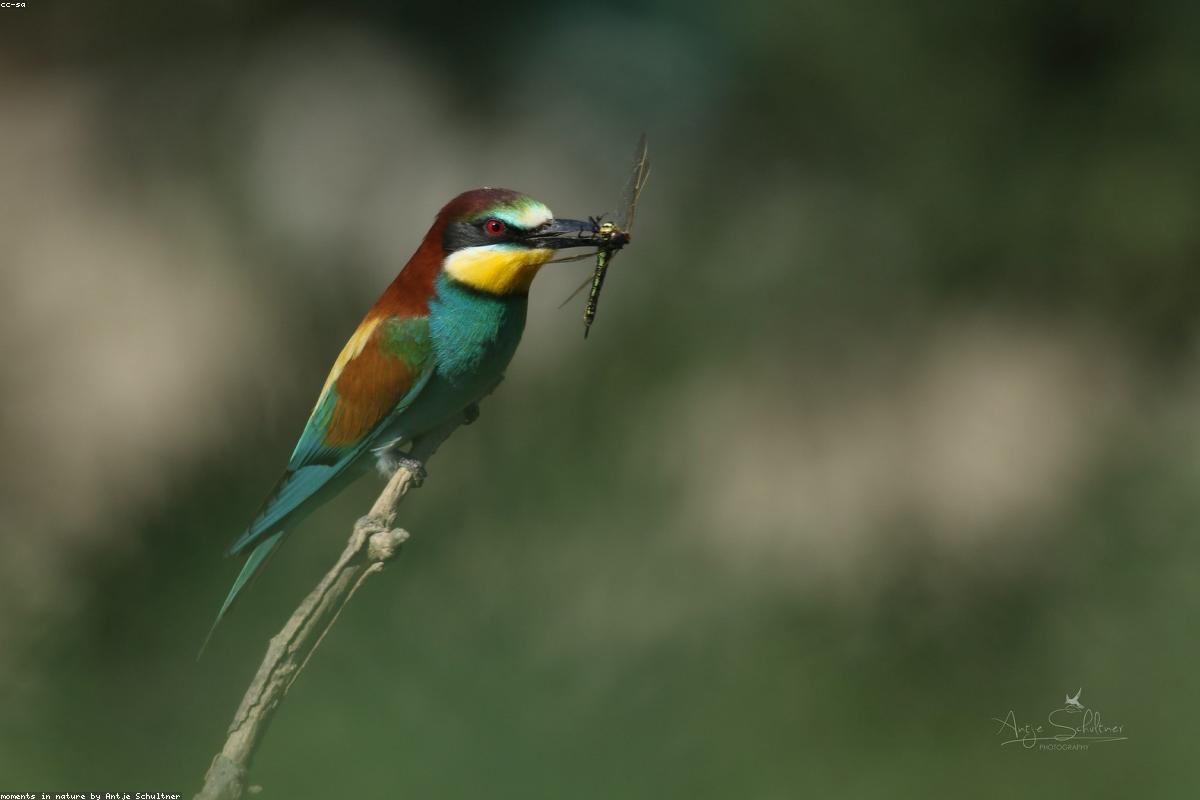
'Jabiru'. Iridescent neck in morning light.Black-necked Stork350mm, 1/1600s, f/8, ISO 1250Dozens in flight over the floodplain.Magpie Goose350mm, 1/2000s, f/7.1, ISO 640Thirty seconds. Got three clean frames.Azure Kingfisher150mm, 1/800s, f/6.3, ISO 200Walking on lily pads. Red comb up.Comb-crested Jacana200mm, 1/1250s, f/7.1, ISO 800Big salty sunning. Stayed very still.Saltwater Crocodile600mm, 1/800s, f/7.1, ISO 2000Common but handsome.Whistling Kite500mm, 1/1600s, f/7.1, ISO 640On a log. Whistling.Plumed Whistling-Duck400mm, 1/2000s, f/7.1, ISO 1250Classic morning still water.Great Egret350mm, 1/1600s, f/7.1, ISO 1000Every color in the box.Rainbow Bee-eater200mm, 1/1250s, f/7.1, ISO 200The scale is the story.Kakadu wetland23mm, 1/125s, f/11, ISO 200At dawn along the access track.Agile Wallaby300mm, 1/1000s, f/6.3, ISO 400