Drove up the night before and was on the North Lookout by 7:45. The forecast called for NW winds and the kettles started forming by 10:30. Counted my personal best — one kettle with at least 180 broad-wings spiraling up at eye level against the ridge. It lasted maybe three minutes. I switched to the 23mm for a couple of frames because I wanted the scale of it.
Plenty of Sharp-shinneds low through the trees too. Hawk Mountain earns its reputation on days like this.
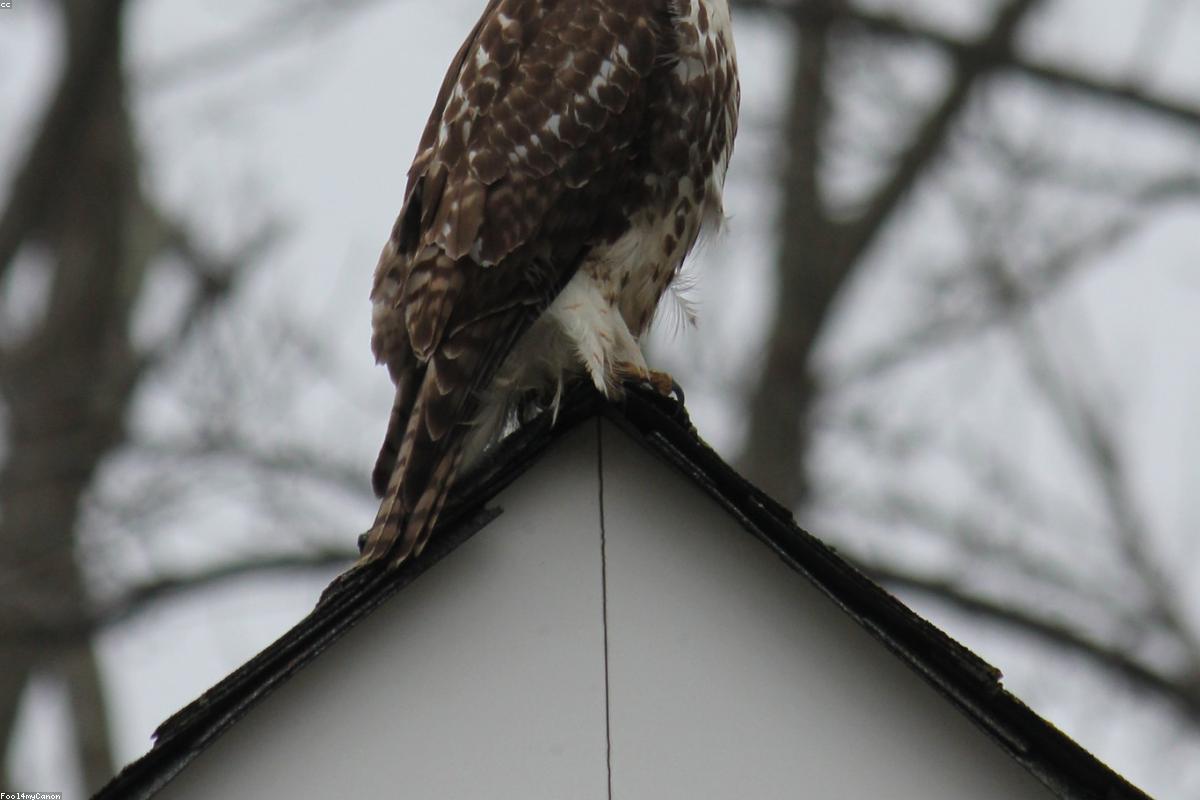
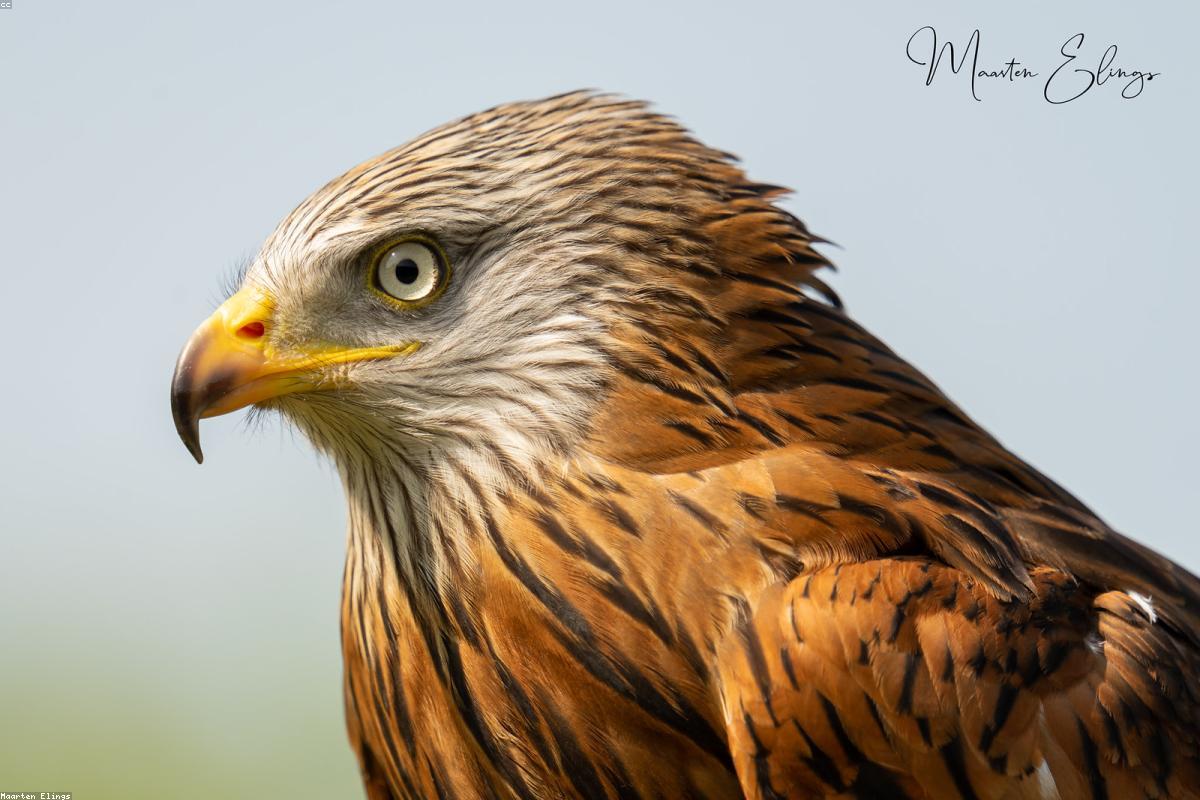
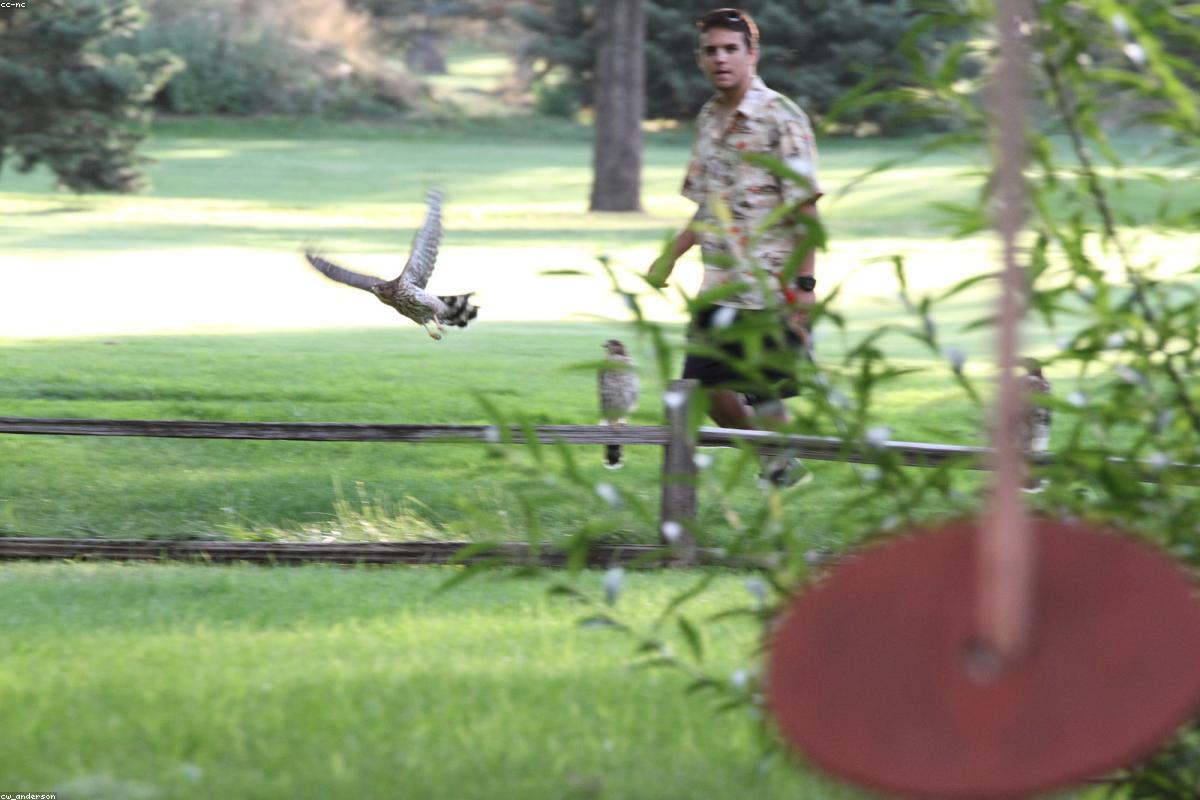
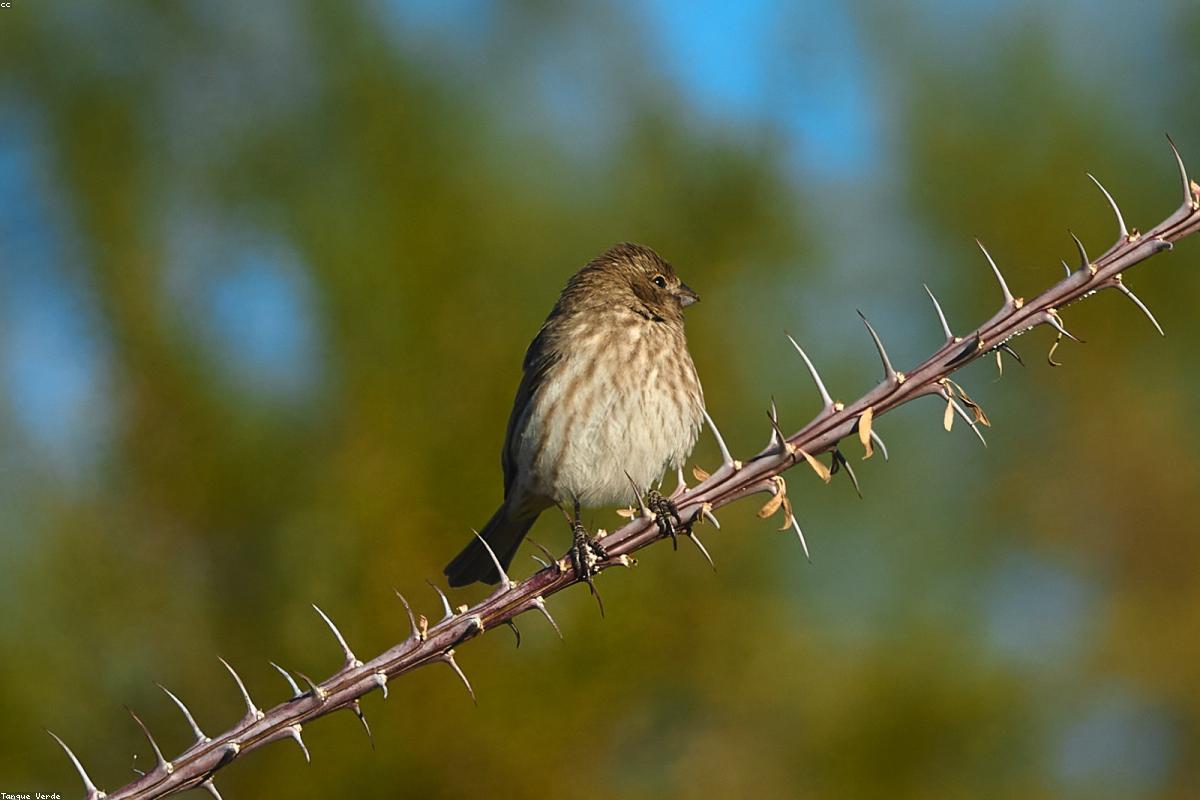
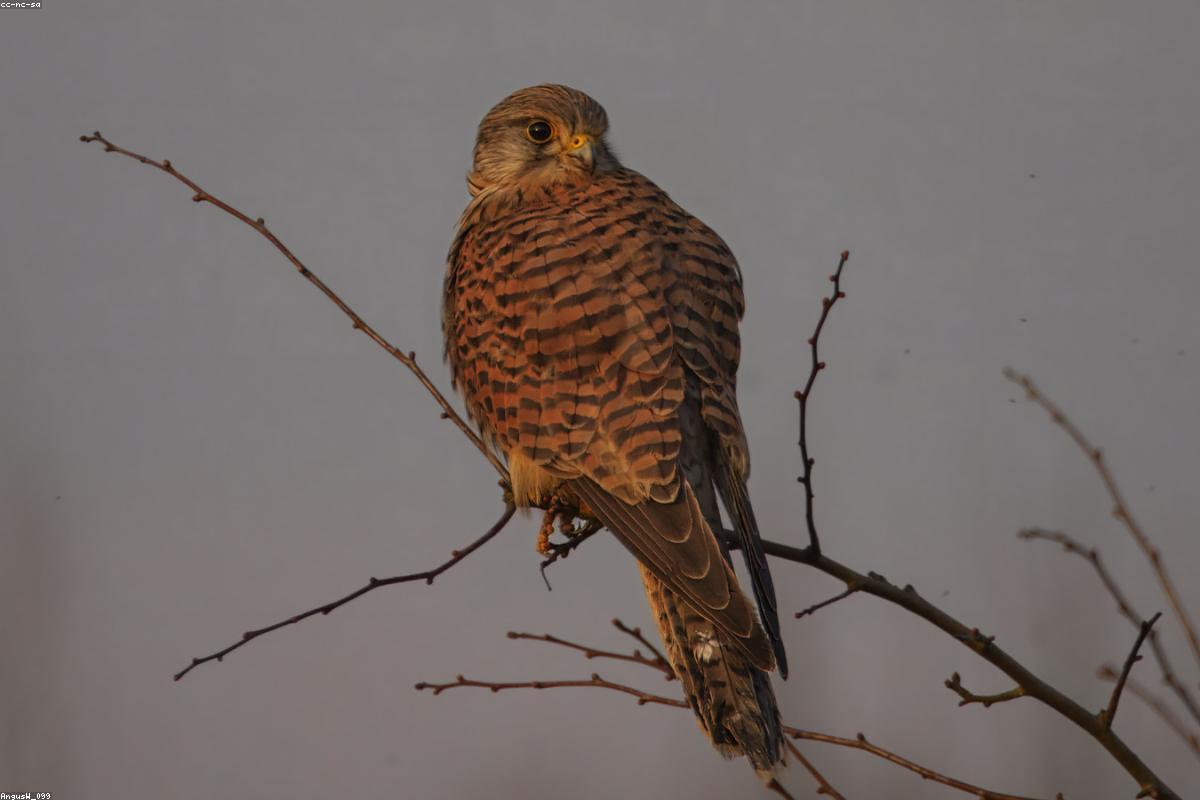
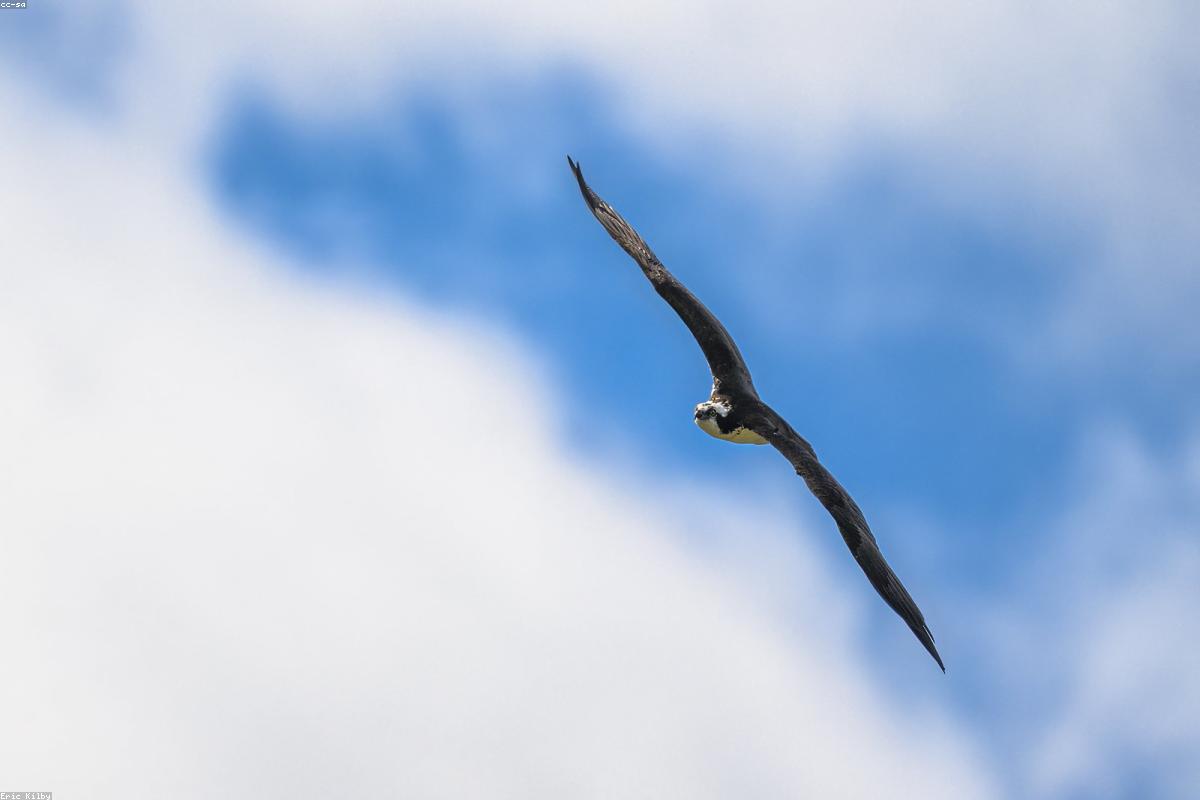
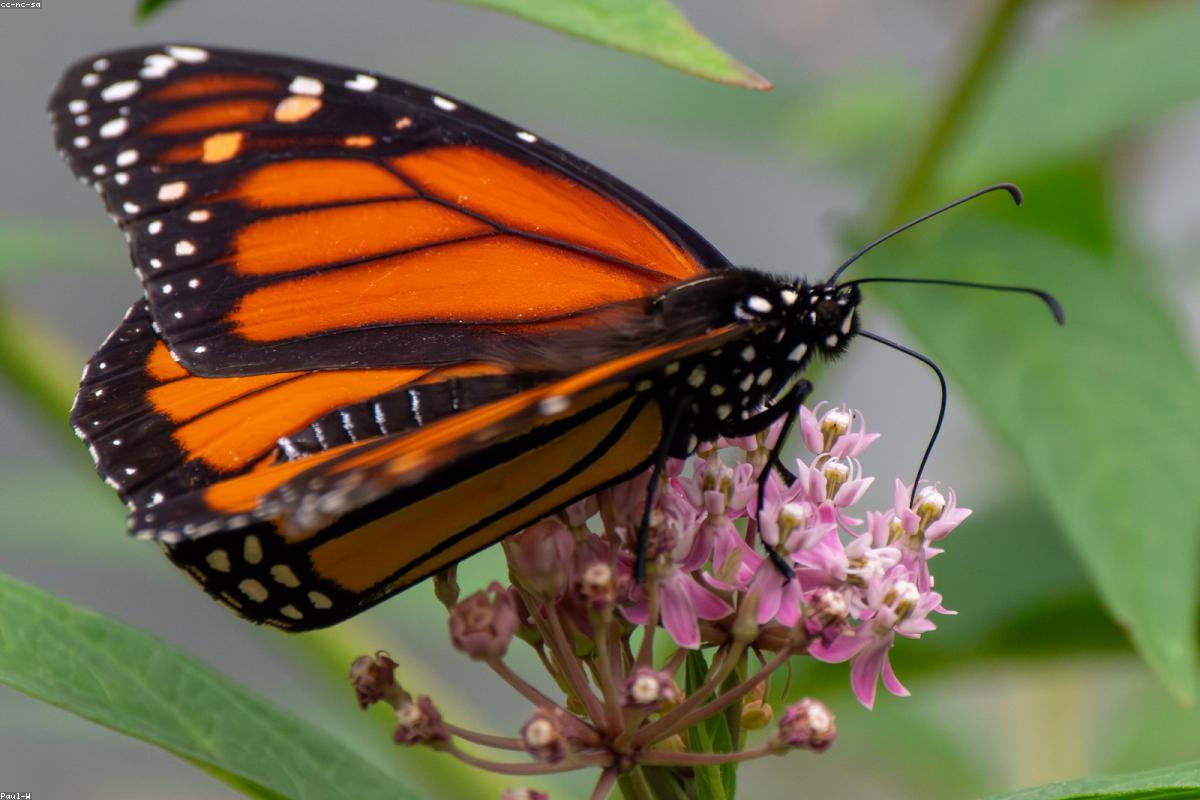
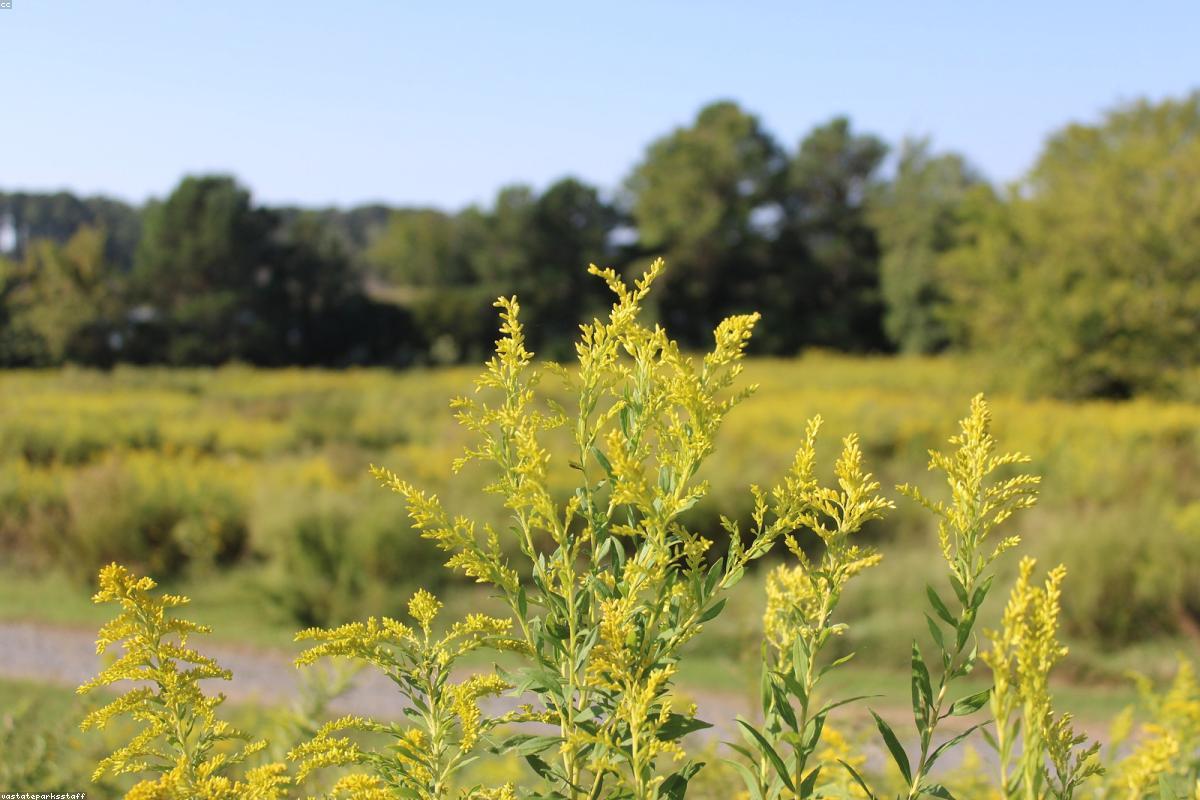
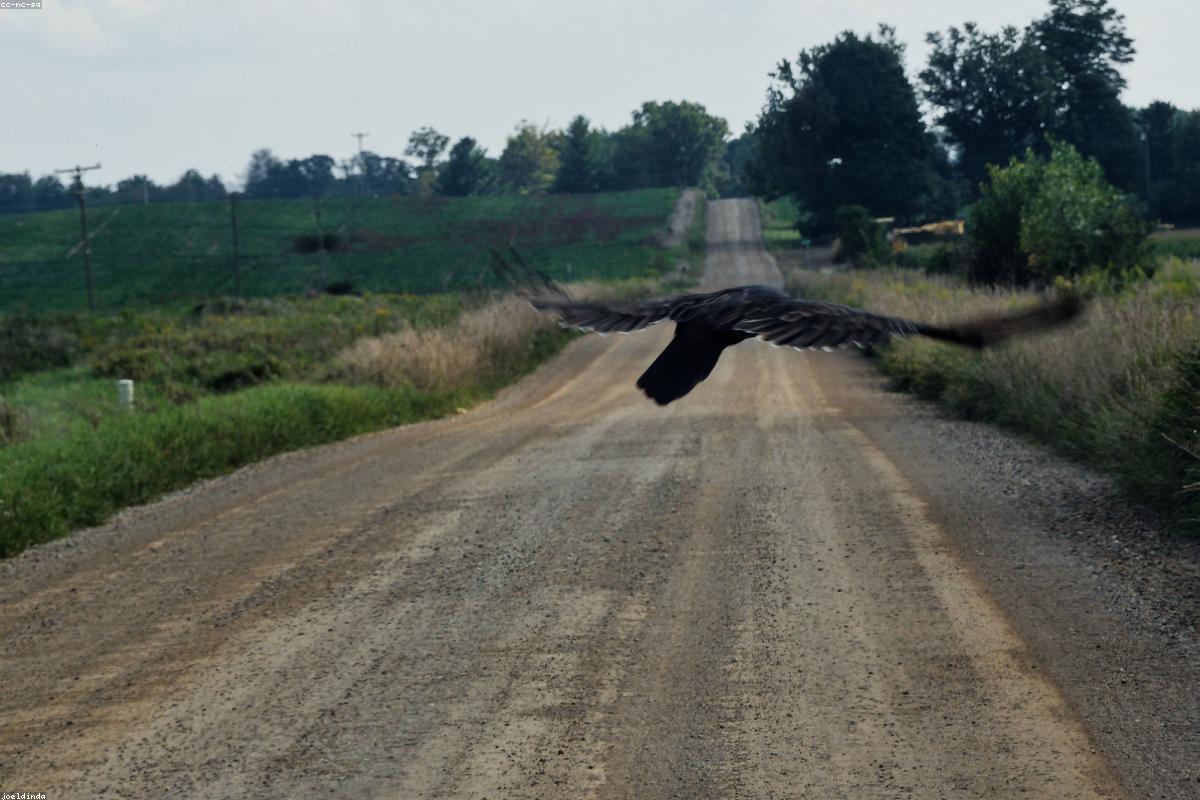
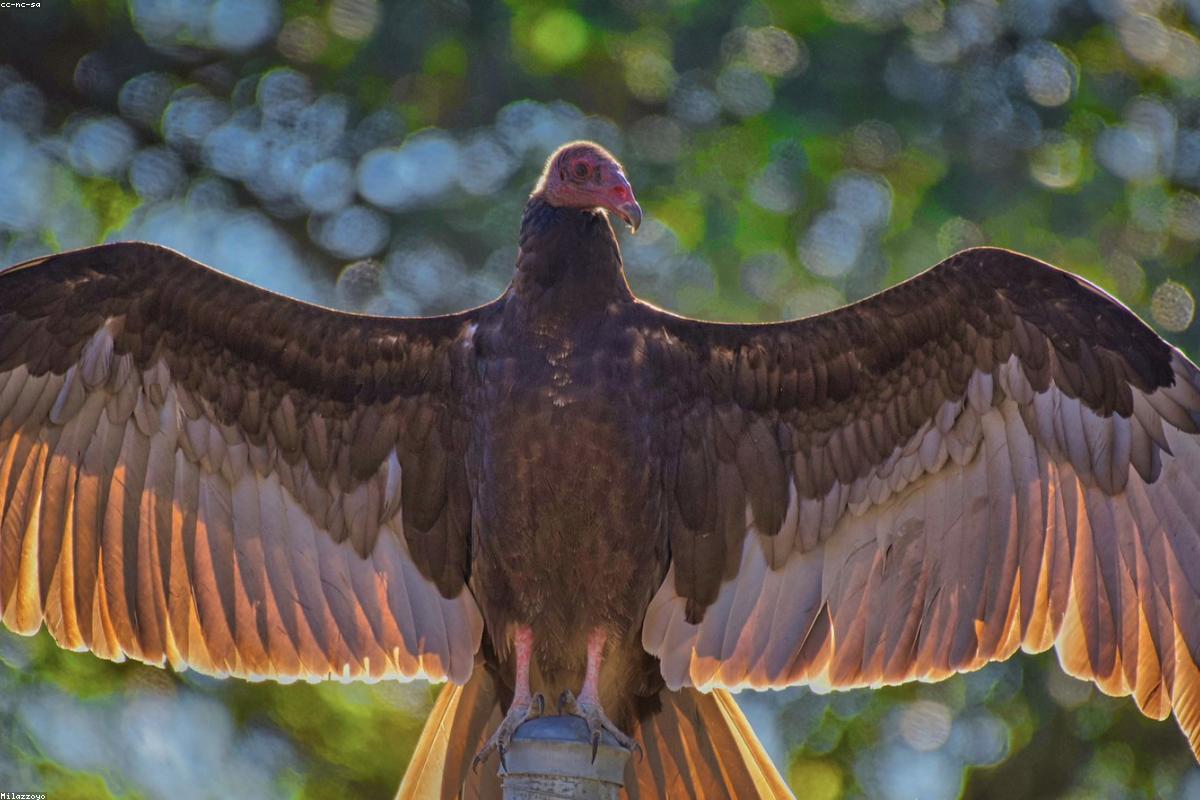
One of ~180 in a single kettle. Ridge air was ripping.Broad-winged Hawk550mm, 1/1250s, f/11, ISO 2000Wide view. You can count about sixty here.Broad-winged Hawk kettle23mm, 1/1000s, f/11, ISO 200Low through the trees, dead-flapping.Sharp-shinned Hawk350mm, 1/1000s, f/7.1, ISO 800Bigger than sharpies. Obvious when side by side.Cooper's Hawk500mm, 1/1000s, f/6.3, ISO 1000Lone kestrel, mid-morning.American Kestrel350mm, 1/1000s, f/6.3, ISO 800Heading south with strong purpose.Osprey350mm, 1/1000s, f/8, ISO 800Molt-ragged juvenile bald.Bald Eagle, juvenile450mm, 1/1000s, f/8, ISO 1250Monarchs using the same ridge for lift.Monarch Butterfly150mm, 1/500s, f/5.6, ISO 400The view between kettles.North Lookout view23mm, 1/250s, f/11, ISO 100Local red-tail, not a migrant.Red-tailed Hawk450mm, 1/1600s, f/7.1, ISO 1250Hard to get sharp. One frame okay.Chimney Swift600mm, 1/1250s, f/8, ISO 1600Everything at altitude smelled like goldenrod.Goldenrod23mm, 1/320s, f/5.6, ISO 800Not a migrant but always on the ridge.Black Vulture450mm, 1/2000s, f/7.1, ISO 800TVs outnumbered every other raptor by 3 to 1.Turkey Vulture400mm, 1/2000s, f/7.1, ISO 1000