Flew into Madrid and drove west. The Llanos de Cáceres in early March is classic pseudo-steppe: wide rolling grain fields with wintering and resident birds, and in March the Great Bustards are starting to display. I spent most of one morning sitting at the edge of a dirt road in the car — a kind of impromptu hide — watching four males work the far edge of a fallow field.
Windshield-as-blind was new to me. Works well until a tractor goes by and the whole horizon lifts off.
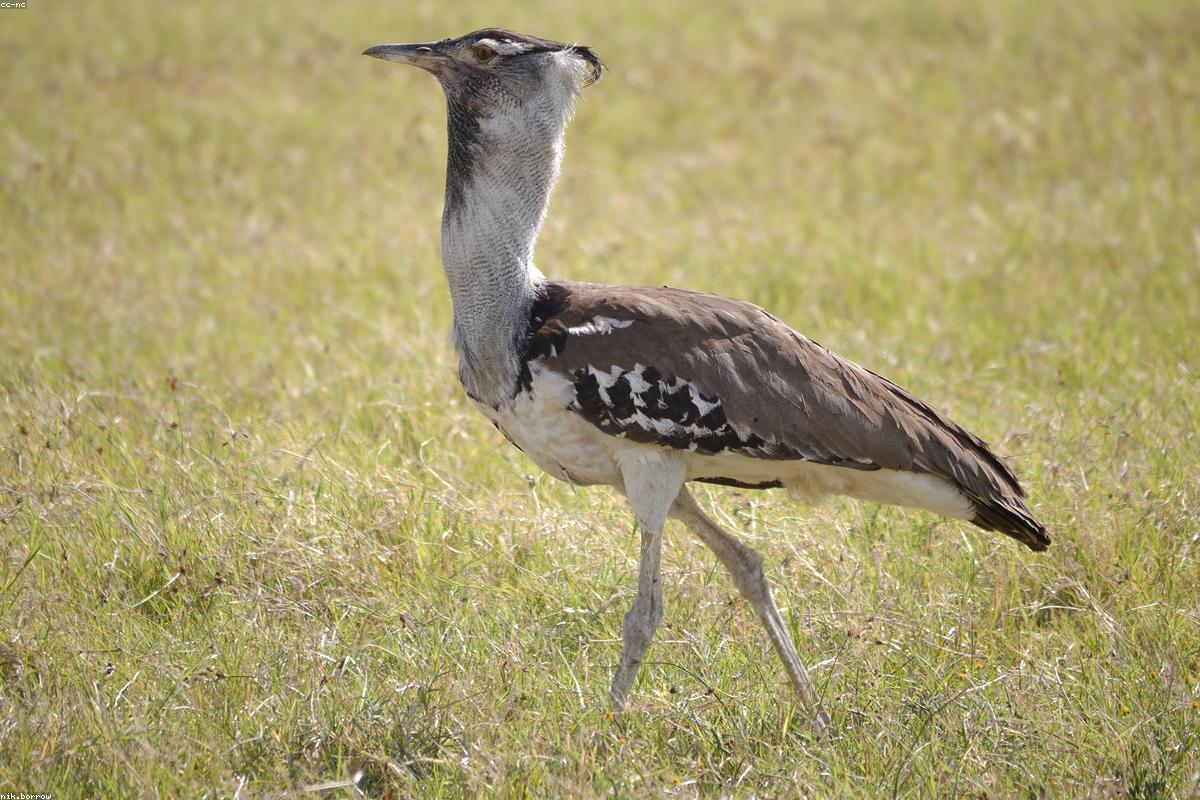
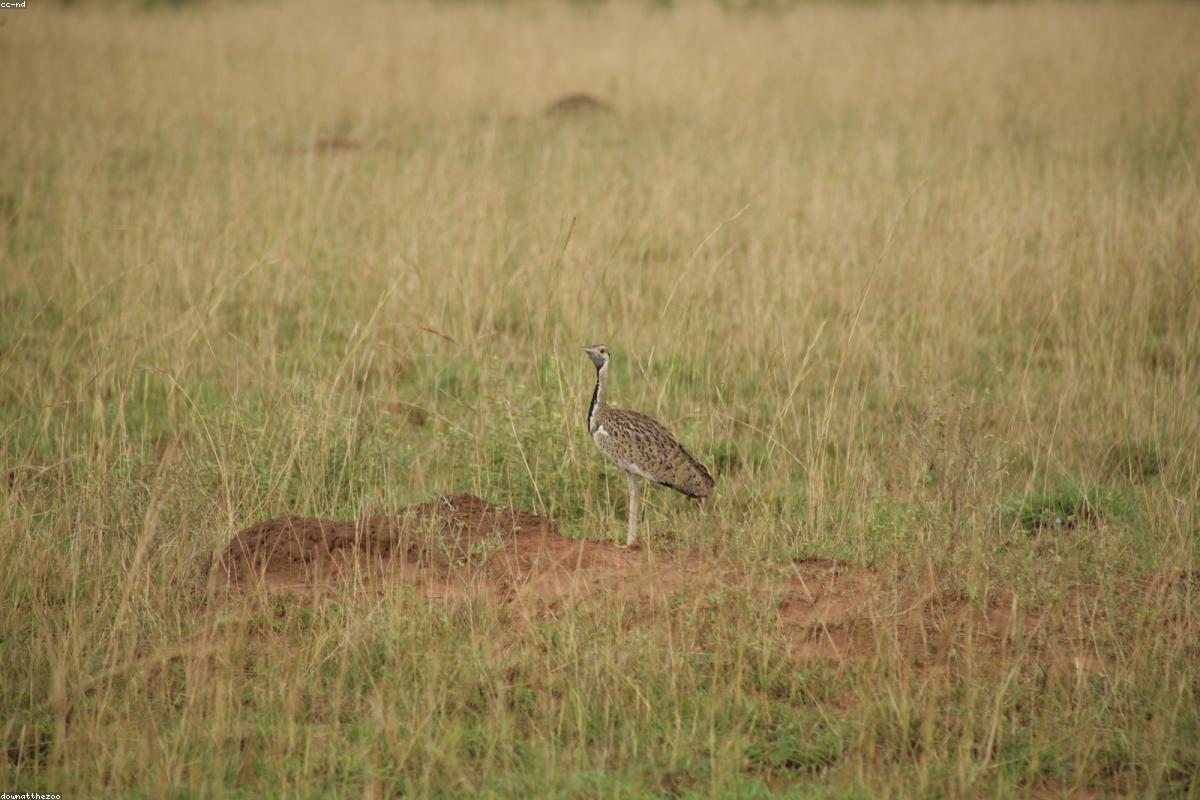
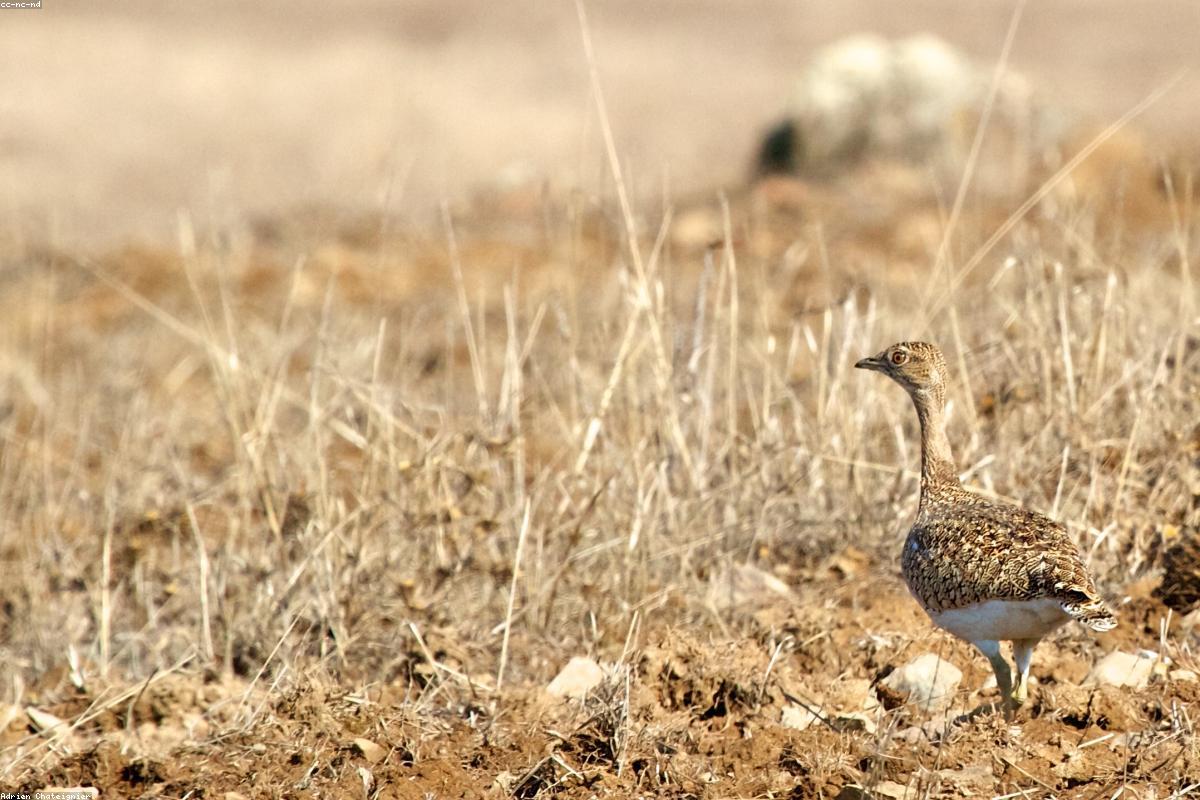
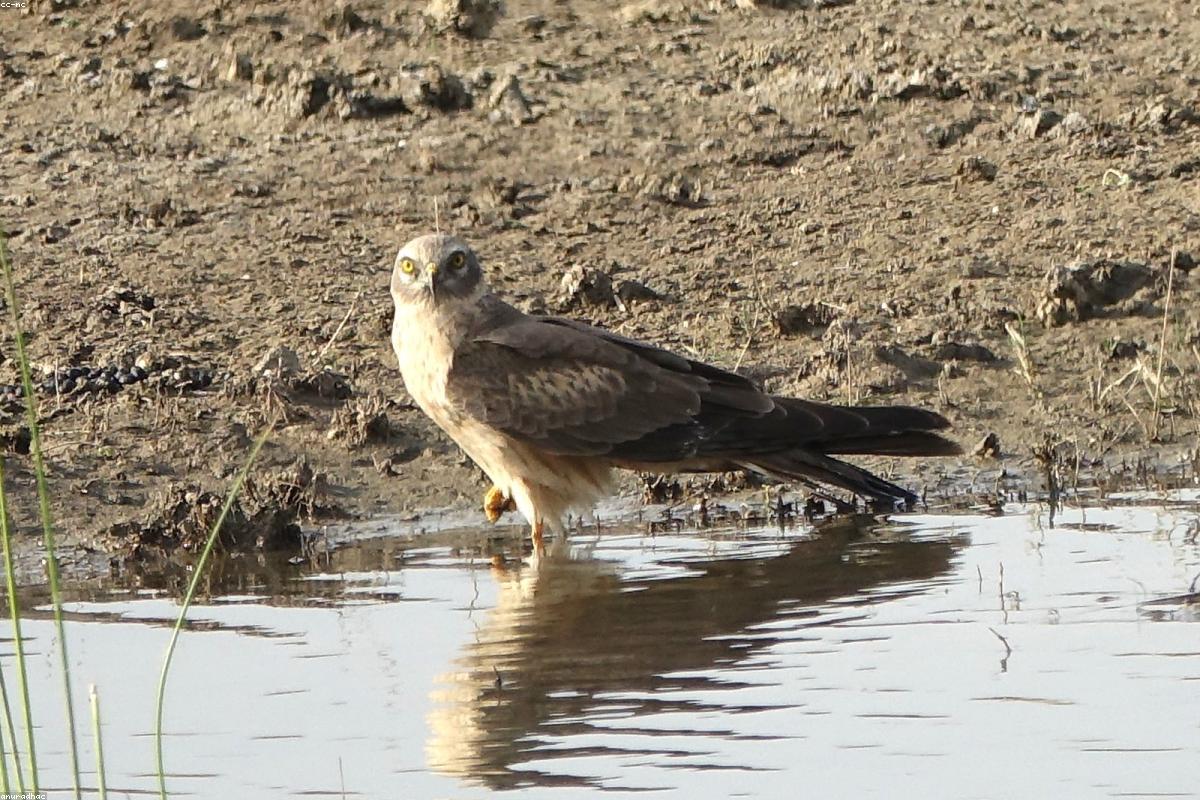
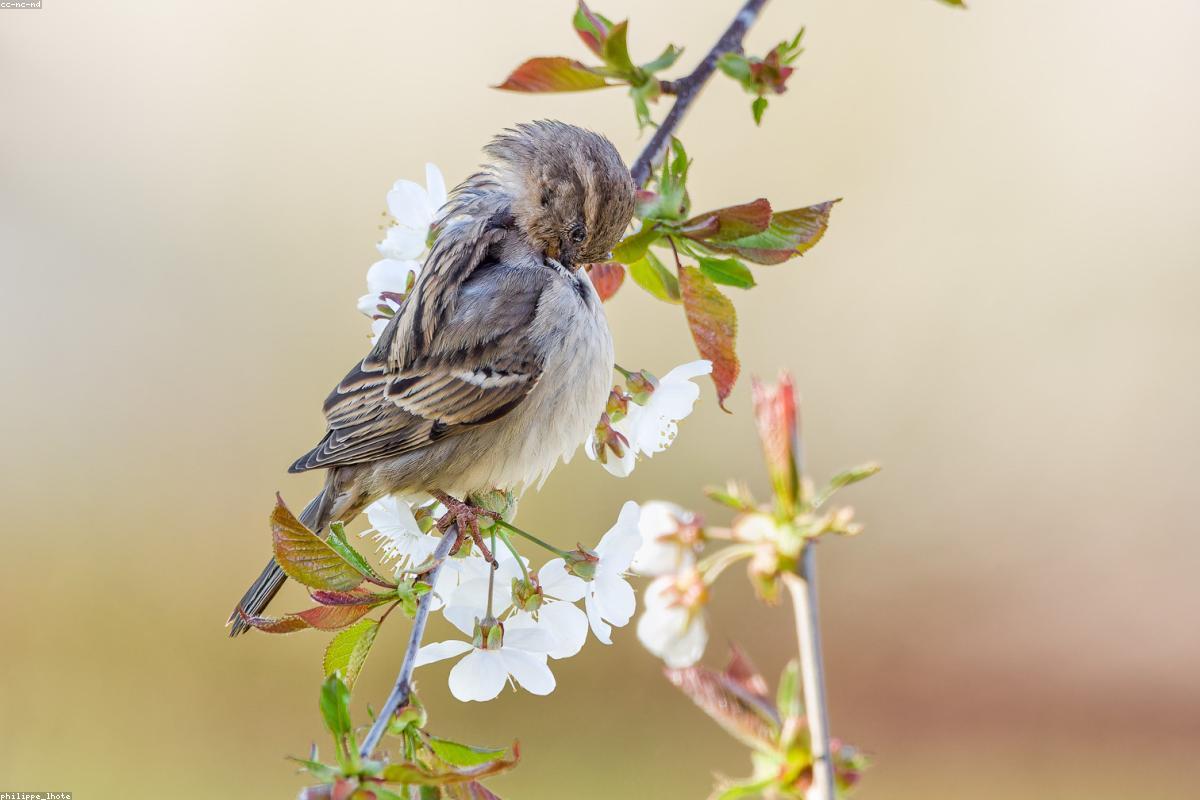
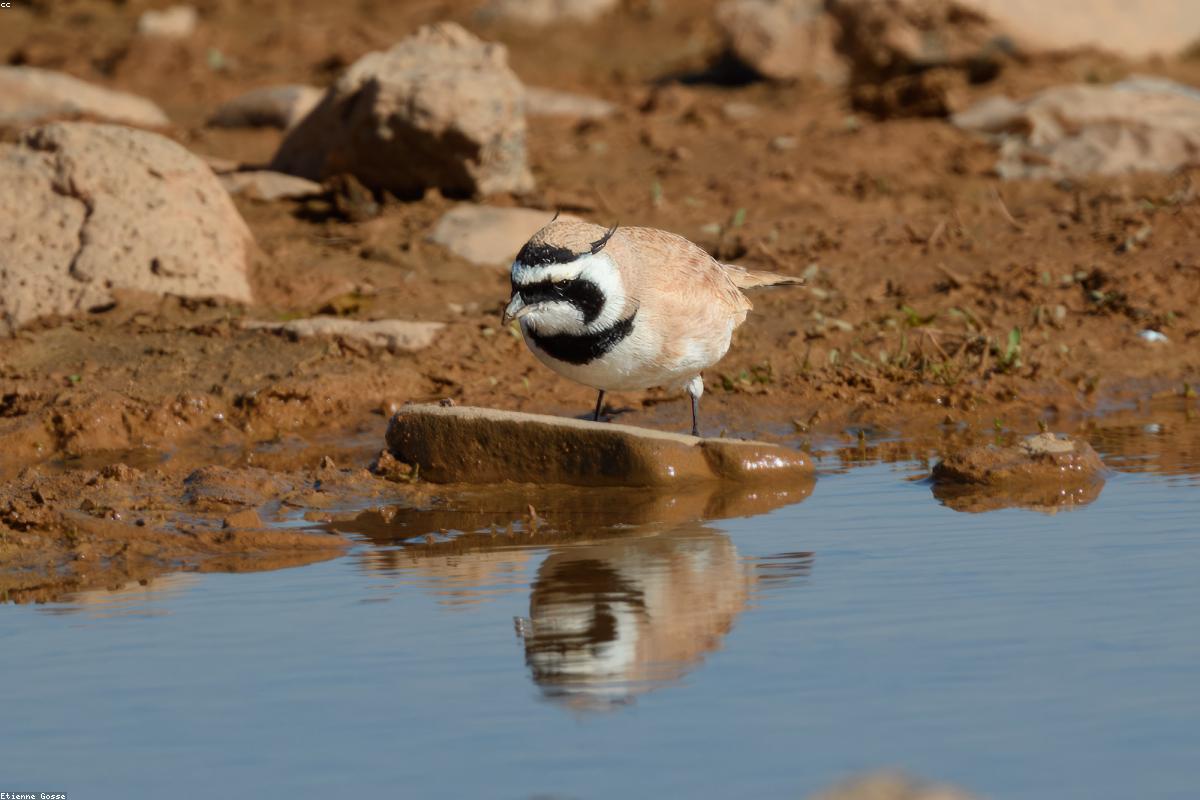
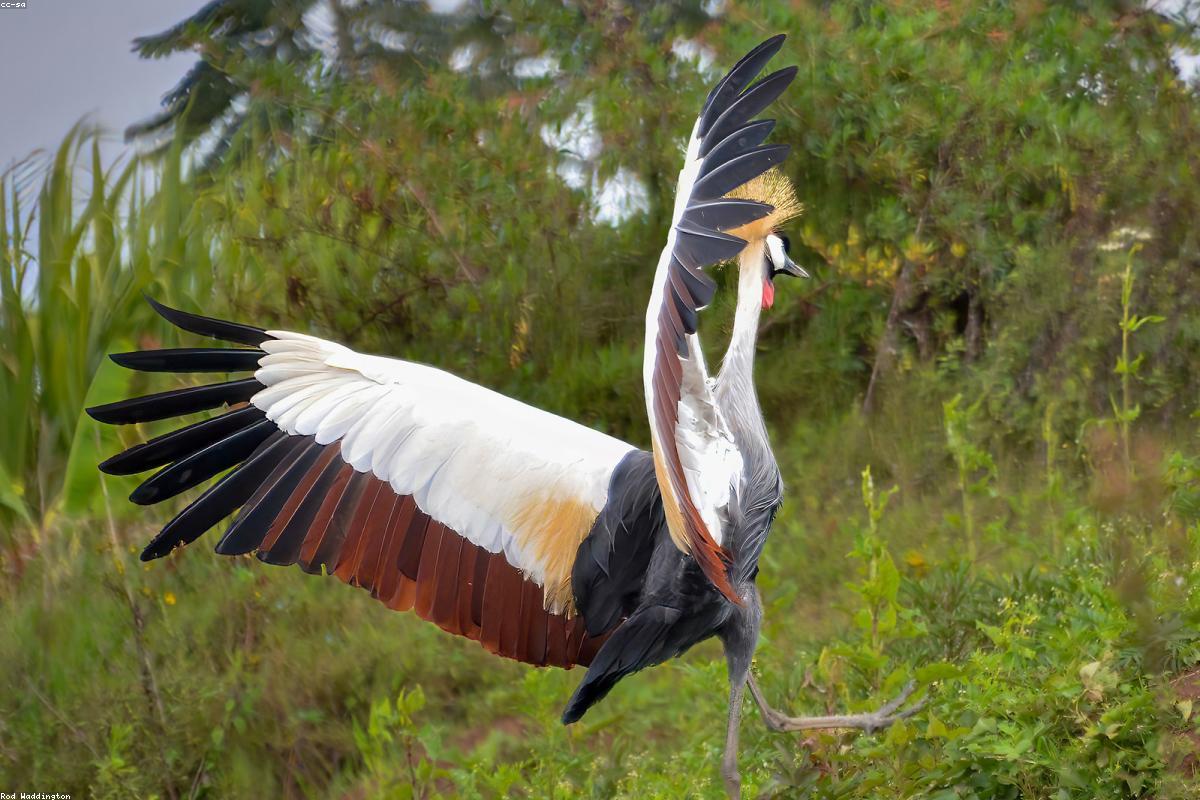
Displaying male, a ridiculous ball of feathers.Great Bustard450mm, 1/2000s, f/8, ISO 1250Four males over a grain field.Great Bustard550mm, 1/2500s, f/11, ISO 1000Less common, smaller, neater bird.Little Bustard400mm, 1/2000s, f/8, ISO 800Male Montagu's, gray and clean-winged.Montagu's Harrier450mm, 1/1000s, f/7.1, ISO 400Big flocks around the villages.Spanish Sparrow250mm, 1/1000s, f/6.3, ISO 800Big lark with black neck patches.Calandra Lark250mm, 1/1250s, f/5.6, ISO 200Small late-wintering flock.Common Crane400mm, 1/2000s, f/6.3, ISO 640The field. Hundreds of hectares of nothing but birds.Iberian stone field23mm, 1/500s, f/11, ISO 160Singing from a barbed wire fence.Corn Bunting250mm, 1/1250s, f/6.3, ISO 400Kite hovering over a ditch. Gray and white.Black-winged Kite400mm, 1/1250s, f/7.1, ISO 400